







What's Happening?
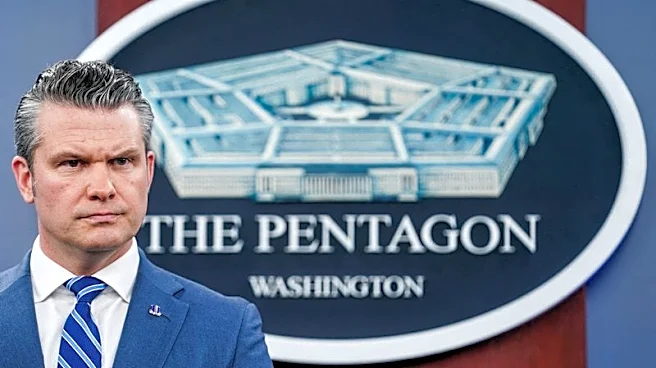
The U.S. Department of Defense, under the leadership of Defense Secretary Pete Hegseth, has announced that the flu vaccine will no longer be mandatory for American military personnel. This decision is based on considerations of religious freedom and medical
autonomy. The change marks a significant shift in military health policy, which traditionally mandates vaccinations to ensure troop readiness and health. The decision has sparked discussions among health experts, including epidemiologist Jennifer Nuzzo, about the potential implications for troop health and operational readiness.
Why It's Important?
The decision to make the flu vaccine optional for troops could have significant implications for military health and readiness. Vaccinations have historically been a critical component of military health protocols, aimed at preventing outbreaks that could compromise troop effectiveness. By prioritizing individual autonomy and religious freedom, the Pentagon is navigating complex ethical and operational challenges. This move may influence broader public health policies and debates about vaccine mandates, potentially affecting how other institutions approach vaccination requirements.
What's Next?
The Pentagon's decision may lead to further discussions and potential policy adjustments within the military and other federal agencies. Health experts and military leaders will likely monitor the impact of this policy change on troop health and readiness, especially during flu season. There may also be increased dialogue about balancing individual rights with collective health responsibilities, which could influence future health policy decisions both within and outside the military.