


What's Happening?
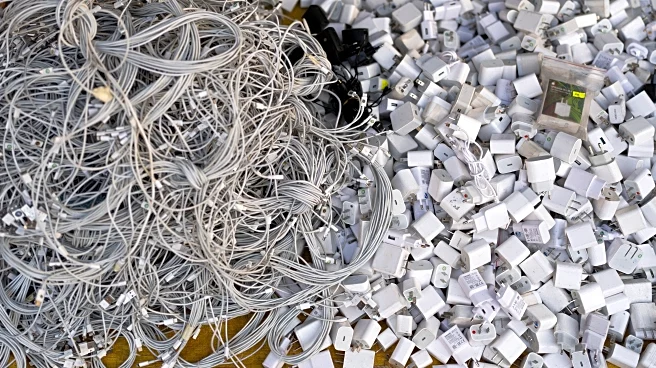
Malaysia has announced a comprehensive ban on the importation of electronic waste (e-waste) as part of a broader effort to combat illegal dumping and corruption in waste management. The Malaysian Anti-Corruption Commission (MACC) has reclassified e-waste under
the 'absolute prohibition' category, removing previous discretionary powers that allowed certain imports. This decision comes amid a corruption investigation involving high-ranking officials in the environment department. The ban aims to prevent Malaysia from becoming a dumping ground for hazardous waste, which poses significant risks to human health and the environment.
Why It's Important?
The ban on e-waste imports is a critical step in addressing environmental and public health concerns associated with hazardous waste. E-waste contains toxic substances that can contaminate soil and water if not properly managed. By prohibiting imports, Malaysia is taking a stand against becoming a repository for global waste, which has been a growing issue in Southeast Asia following China's ban on foreign waste imports. This move also highlights the intersection of environmental policy and anti-corruption efforts, as the government seeks to ensure that waste management practices are transparent and accountable.
What's Next?
The Malaysian government is expected to enhance enforcement measures to prevent illegal e-waste imports and ensure compliance with the new regulations. This may involve increased inspections at ports and collaboration with international partners to track and return illegal shipments. The government may also focus on developing domestic recycling infrastructure to manage e-waste generated within the country. Additionally, the ongoing corruption investigation could lead to further reforms in the environmental sector, aimed at strengthening governance and reducing opportunities for abuse of power.