






What's Happening?
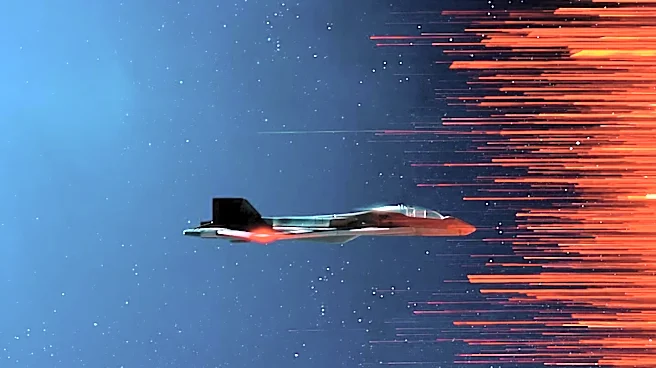
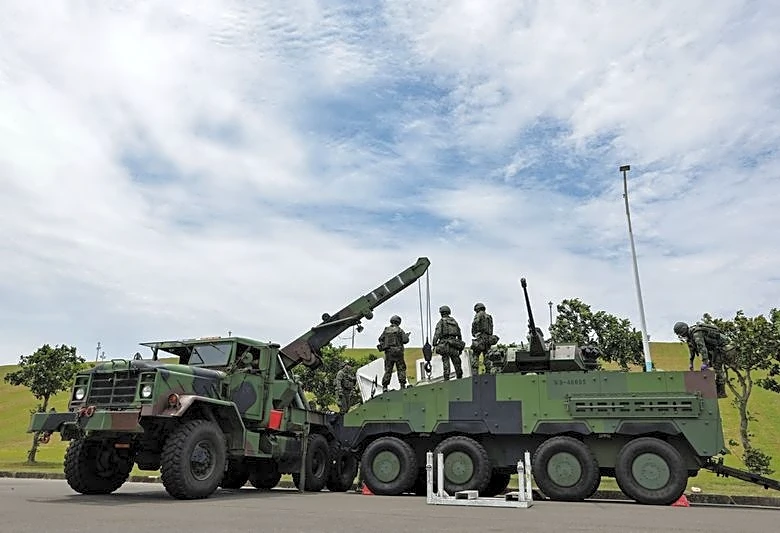
China's development and deployment of hypersonic anti-ship missiles, such as the YJ-20, are enhancing its military capabilities in the first island chain, which includes Taiwan. These advancements are part of China's broader strategy to establish anti-access/area
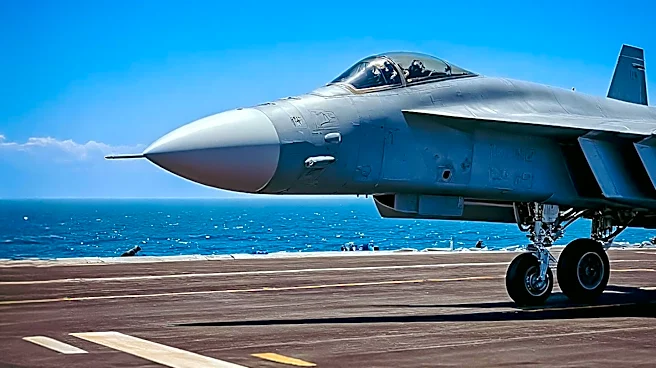
denial (A2/AD) capabilities, potentially diverting U.S. and allied naval forces in the event of a conflict over Taiwan. The YJ-20 missile, showcased in a recent military parade and now in mass production, exemplifies China's focus on modernizing its naval defenses to counter U.S. military presence in the region. This development is part of China's ongoing military modernization efforts aimed at narrowing the technological gap with the United States.
Why It's Important?
The deployment of hypersonic missiles by China represents a significant shift in the balance of military power in the Asia-Pacific region. These missiles could complicate U.S. military operations and strategic planning, particularly in scenarios involving Taiwan, which China considers a part of its territory. The enhanced capabilities of the Chinese military may deter U.S. intervention or complicate its response strategies, potentially altering the geopolitical dynamics in the region. This development underscores the growing military competition between the U.S. and China, with implications for regional security and international relations.
What's Next?
The U.S. and its allies may need to reassess their military strategies and capabilities in response to China's advancements. This could involve increased investment in missile defense systems, enhanced naval presence, and closer military cooperation with regional allies. Diplomatic efforts to address tensions over Taiwan and other regional issues may also intensify. The international community will likely monitor China's military developments closely, as they could influence future security policies and alliances in the Asia-Pacific region.