

What's Happening?
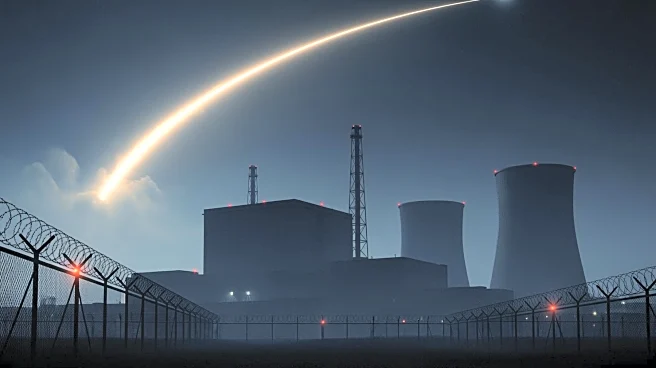
The IDF Home Front Command has implemented new defense guidelines in southern Israel after Iranian missile strikes hit the cities of Arad and Dimona. These strikes resulted in over 100 injuries, prompting the closure of schools and restrictions on gatherings.
The areas affected include Lachish, Western Lachish, Western Negev, Central Negev, Southern Negev, and the Dead Sea. Gatherings are limited to 50 people, provided there is a nearby shelter. Workplaces can remain open under similar conditions. These measures, effective from Sunday at 6:00 a.m. to Tuesday at 8:00 p.m., aim to ensure public safety amid ongoing tensions.
Why It's Important?
The missile strikes and subsequent restrictions highlight the escalating conflict between Israel and Iran, impacting civilian life and regional stability. The closure of schools and restrictions on gatherings disrupt daily life and indicate the severity of the threat. The situation places a strain on local healthcare facilities, as seen with Soroka Medical Center declaring a mass casualty event. This development underscores the broader geopolitical tensions in the region, affecting international relations and potentially drawing in global powers with vested interests in Middle Eastern stability.
What's Next?
The Israeli government is likely to continue its military response to the Iranian missile attacks, as indicated by the security cabinet's approval of IDF actions. International scrutiny and diplomatic efforts may intensify as global leaders react to the conflict. The situation could lead to further military engagements or diplomatic negotiations aimed at de-escalation. The impact on civilian life in southern Israel will remain a critical concern, with potential adjustments to public safety measures depending on the evolving security situation.