


What's Happening?
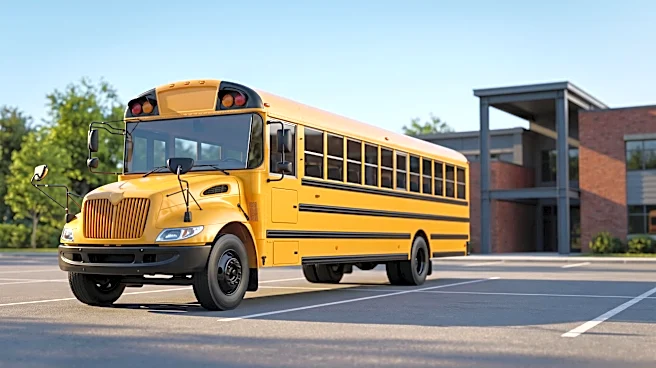
Bus drivers for Princeton City Schools are continuing their strike into next week after contract negotiations with their transportation provider, First Student, concluded without an agreement. This marks the seventh day of the strike, which has forced
families in the district to find alternative transportation for students. Drivers have been picketing, emphasizing that the labor dispute impacts not only the workers but also parents and students. Jammie Coburn, a bus driver of 30 years, expressed disappointment, noting that parents are also affected by having to adjust their work schedules. Union leaders state that discussions with First Student remain stalled over issues concerning wages, benefits, and working conditions. Another bargaining session is anticipated next week, but both sides are reportedly still far apart on key issues. Derryl Hall, lead negotiator and staff representative for OAPSE/AFSCME Local 184, indicated that the drivers' morale remains high and they are prepared to continue the strike until their demands are met. Many drivers view their role as more than just transportation, highlighting their deep connections with the community and students.
Why It's Important?
This ongoing strike by Princeton bus drivers has significant implications for the local community, particularly for families and the educational system. The disruption in transportation services directly affects students' ability to attend school, potentially impacting their education and daily routines. For parents, the need to arrange alternative transport can lead to increased stress, financial burdens, and adjustments to their work schedules, potentially resulting in lost income or reduced productivity. The dispute also highlights broader labor issues concerning fair wages, benefits, and working conditions for essential service providers. A prolonged strike could strain community resources and create divisions between the school district, the transportation provider, and the union. The outcome of these negotiations could set a precedent for future labor disputes in the region's transportation sector, influencing how similar contracts are negotiated and how essential services are maintained during disagreements. The situation underscores the critical role bus drivers play in the daily functioning of a school district and the wider community.
What's Next?
Princeton bus drivers plan to resume picketing on Monday morning as they await the next round of negotiations with First Student. Union leaders have indicated that another bargaining session is expected next week, though the exact date and time have not been specified. The drivers are resolute in their stance, with their lead negotiator stating they will continue the strike for "as long as it takes to get what they want." This suggests that the disruption to school transportation services is likely to persist for the foreseeable future unless a breakthrough occurs in the upcoming talks. The community will continue to face the challenge of finding alternative ways to get students to school, and the pressure on First Student and the school district to reach an agreement will intensify. The situation may also draw increased attention from local government officials and community leaders, who might intervene to facilitate a resolution or provide support to affected families. The focus will be on the progress of the next negotiation session and whether it can bridge the significant gaps currently separating the two parties.
Beyond the Headlines
The Princeton bus drivers' strike extends beyond a simple labor dispute, touching upon the often-underestimated value of essential service workers and their integral role in community infrastructure. The drivers' self-perception as "counselors, teachers, and grandparents" highlights the emotional and social capital they invest in their jobs, which often goes unacknowledged in contract negotiations focused primarily on economic terms. This strike could prompt a broader re-evaluation of how communities value and compensate those who perform critical, daily functions, particularly in sectors like education and public services. It also brings to light the complexities of outsourcing public services, as First Student, a private company, is responsible for the school district's transportation. The reliance on private contractors can sometimes create a buffer between the community and the direct employers, complicating accountability and resolution processes. Furthermore, the strike underscores the collective power of labor unions in advocating for better conditions, potentially inspiring similar actions in other regions or sectors where workers feel their contributions are undervalued. The long-term implications could include shifts in public perception of labor rights and the economic viability of essential service roles.