



What's Happening?
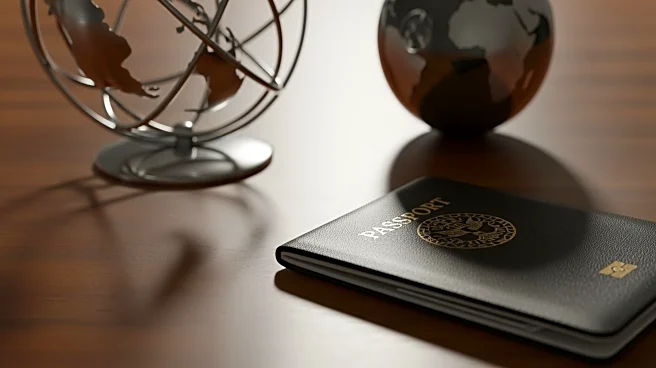
The latest Henley Passport Index has revealed that the Australian passport has slipped from sixth to seventh place in the global rankings. This annual index evaluates the power of passports based on the number of destinations their holders can access
without a prior visa. Singapore has reclaimed the top spot as the world's most powerful passport, allowing its citizens visa-free or visa-on-arrival access to 194 destinations. The report highlights a shift in global mobility trends, with several countries experiencing changes in their passport rankings.
Why It's Important?
The decline in the Australian passport's ranking reflects broader geopolitical and economic shifts that can impact international travel and business. A passport's strength is often seen as a measure of a country's global standing and its diplomatic relations. For Australians, a less powerful passport could mean more travel restrictions and potential challenges in international business dealings. This change may also influence Australia's tourism industry, as ease of travel is a significant factor for international visitors. The rankings can affect perceptions of national prestige and influence, impacting how countries are viewed on the global stage.
What's Next?
Countries experiencing a decline in passport power may seek to negotiate better visa agreements to improve their rankings. For Australia, this could involve diplomatic efforts to enhance bilateral relations and secure more favorable travel arrangements. The government may also focus on strengthening its global partnerships to regain its position in future rankings. Additionally, travelers and businesses may need to adapt to new visa requirements, potentially affecting travel plans and international operations. Monitoring future updates to the Henley Passport Index will be crucial for understanding ongoing changes in global mobility.