




What's Happening?
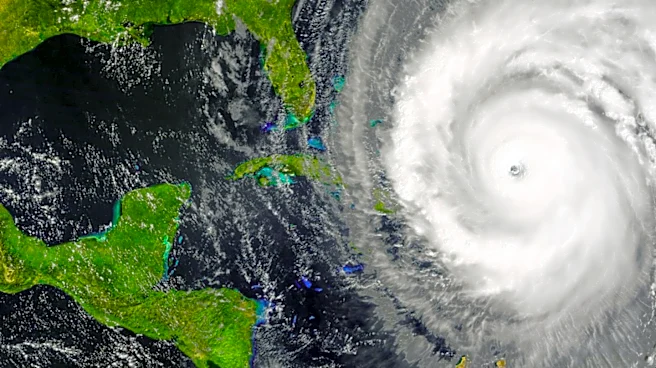
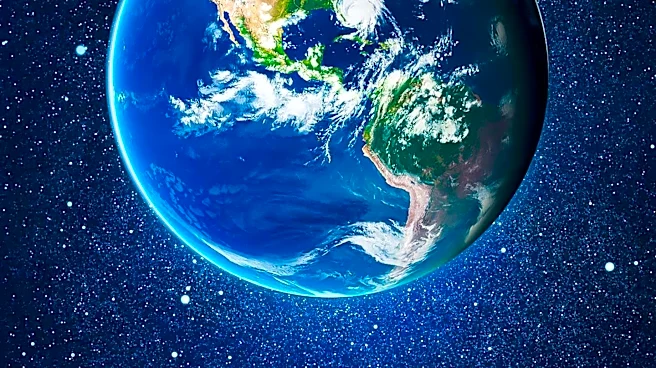
Federal scientists have announced a 97% probability that a strong El Niño will develop this year, potentially becoming one of the strongest on record. This climate pattern, characterized by warmer ocean waters in the central and eastern tropical Pacific,
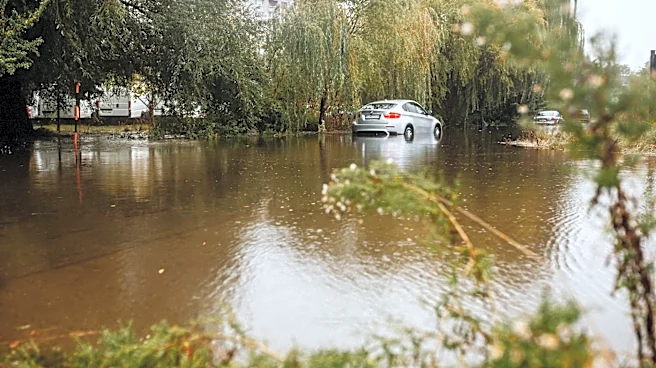
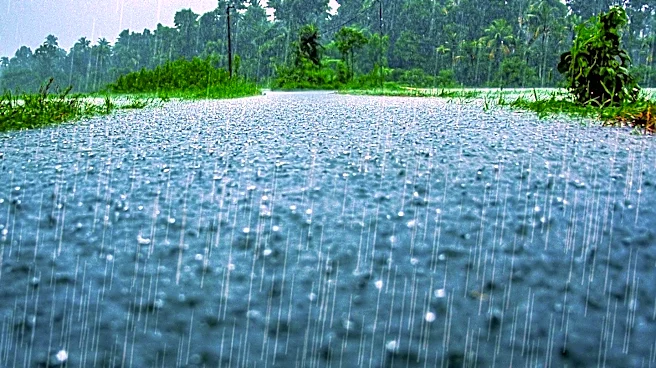
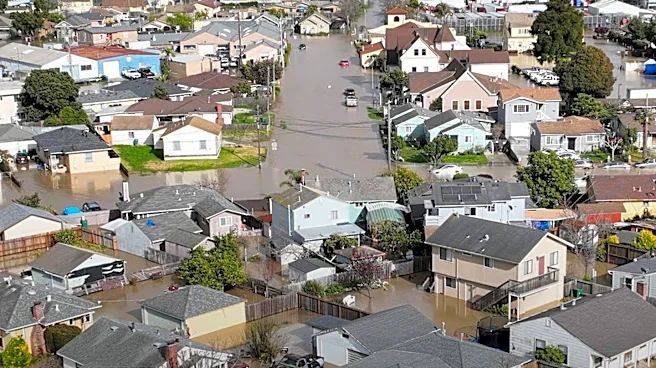
is expected to bring above-average rainfall to Southern California, increasing the risk of flash floods and landslides. The National Oceanic and Atmospheric Administration (NOAA) has indicated that the El Niño could also exacerbate heat waves on land and at sea, already intensified by global warming. Historically, strong El Niños have led to significant rainfall in Southern California, with past events doubling the usual yearly rainfall in Los Angeles.
Why It's Important?
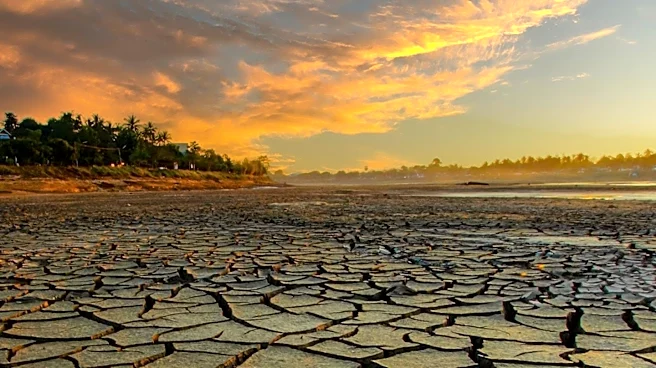
The development of a strong El Niño has significant implications for California's weather patterns and environmental conditions. Increased rainfall could alleviate drought conditions but also poses risks of flooding and landslides, particularly in areas with vulnerable infrastructure. The potential for heat waves could strain energy resources and impact public health, especially among vulnerable populations. Additionally, the marine heat waves associated with El Niño could affect marine ecosystems and fisheries, impacting local economies. Understanding and preparing for these changes is crucial for state and local governments, as well as residents, to mitigate potential adverse effects.
What's Next?
As El Niño conditions develop, meteorologists and climate scientists will continue to monitor ocean temperatures and atmospheric patterns to refine forecasts and provide guidance to policymakers and the public. State and local agencies may need to implement flood prevention measures and prepare for emergency responses to potential natural disasters. Public awareness campaigns could be launched to educate residents about the risks associated with El Niño and how to prepare for extreme weather events. Long-term, this event may prompt discussions on climate adaptation strategies and infrastructure improvements to better withstand future climate variability.