







What's Happening?
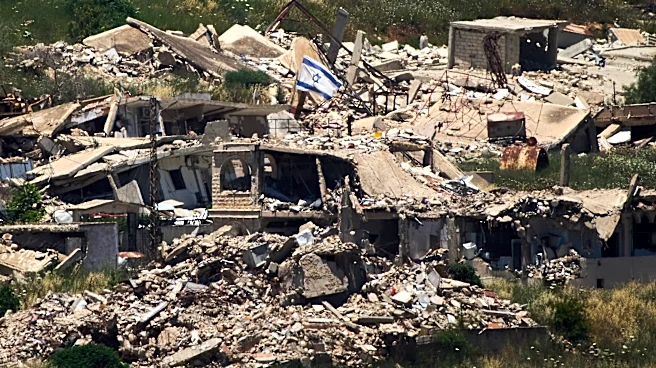
The Israeli Defense Forces (IDF) have recaptured Beaufort Castle, a significant site in Lebanon, 26 years after Israel's withdrawal from the region. This event has stirred emotions and memories of past conflicts, particularly for families who lost loved
ones in previous battles. Noa Harnik, the sister of Goni Harnik, a Golani Reconnaissance Unit commander who died in the 1982 battle for Beaufort, received a message from her nephew, now stationed at the same site. The recapture has been marked by official ceremonies and statements from Israeli leaders, including Prime Minister Benjamin Netanyahu, who emphasized the symbolic importance of the site. However, the return to Beaufort has also reignited debates about the ongoing conflict in Lebanon and the costs associated with it.
Why It's Important?
The recapture of Beaufort Castle is significant as it highlights the enduring complexities of Israel's military and political strategies in Lebanon. The site is a powerful symbol of past military engagements and the ongoing struggle for security in the region. The event underscores the challenges Israel faces in balancing military actions with diplomatic efforts, particularly given the constraints imposed by international relations, notably with the United States. The return to Beaufort also raises questions about the effectiveness and consequences of military operations in contested areas, as well as the impact on Israeli society, which continues to grapple with the legacy of past conflicts.
What's Next?
The recapture of Beaufort Castle may lead to further military and political developments in the region. Israeli leaders might use this event to bolster national unity and support for ongoing military operations. However, it could also provoke reactions from neighboring countries and groups, potentially escalating tensions. The situation may prompt discussions within Israel about the future of its military presence in Lebanon and the broader Middle East. Additionally, the event could influence public opinion and policy decisions regarding Israel's security strategy and its approach to peace negotiations.
Beyond the Headlines
The recapture of Beaufort Castle serves as a reminder of the deep-seated historical and cultural narratives that shape Israeli society. The site is not just a military objective but a symbol of national identity and the sacrifices made by soldiers and their families. This event highlights the ongoing struggle to reconcile the past with present realities, as well as the challenges of achieving lasting peace in a region marked by decades of conflict. The emotional and symbolic weight of Beaufort Castle may continue to influence Israeli politics and society, shaping future military and diplomatic strategies.