








What's Happening?
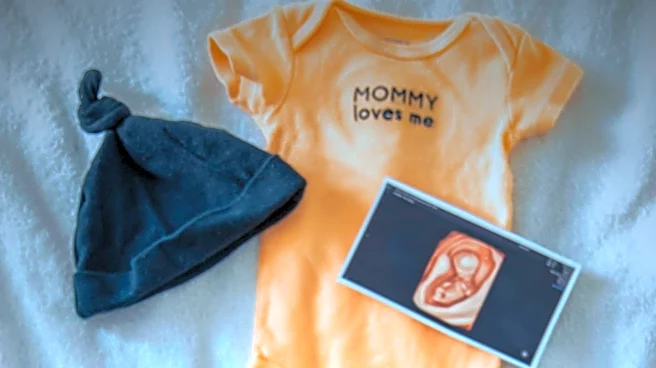
Rebecca Santos, a mother from Pennsylvania, experienced a normal pregnancy until a scan at 39 weeks revealed concerns about her baby's heart rate. Following a non-stress test, Santos was induced and later underwent a cesarean section. Her son, Jordi,
was born without crying and was quickly taken away for medical attention. An MRI scan a week later diagnosed Jordi with Hypoxic-Ischemic Encephalopathy (HIE), a severe brain injury caused by lack of oxygen and blood flow. This condition has led to additional diagnoses, including cerebral palsy and microcephaly. Despite these challenges, Jordi has shown unexpected progress, undergoing various therapies and a stem cell treatment in Mexico.
Why It's Important?
Jordi's case highlights the unpredictable nature of childbirth and the potential for severe health complications even after a seemingly normal pregnancy. The story underscores the importance of prenatal care and the need for awareness about conditions like HIE. For families facing similar challenges, Jordi's journey offers a narrative of hope and resilience. The situation also emphasizes the critical role of medical interventions and therapies in improving outcomes for children with severe disabilities. Additionally, it raises awareness about the emotional and physical demands on families navigating complex medical diagnoses.
What's Next?
Jordi will continue to receive intensive therapies to aid his development. His family is likely to remain engaged in seeking advanced treatments and advocating for his needs. The story may inspire further research into HIE and related conditions, potentially leading to improved diagnostic and treatment options. Santos's efforts to raise awareness through social media could foster a supportive community for other families facing similar challenges, encouraging broader societal understanding and support for children with disabilities.
Beyond the Headlines
The story of Jordi and his family sheds light on the broader societal and ethical considerations surrounding healthcare access and support for children with disabilities. It highlights the need for updated research and resources for rare conditions like HIE. The family's experience also points to the importance of community support and the role of social media in connecting families with shared experiences. This narrative may influence public policy discussions on healthcare funding and support services for families with special needs children.