


What's Happening?
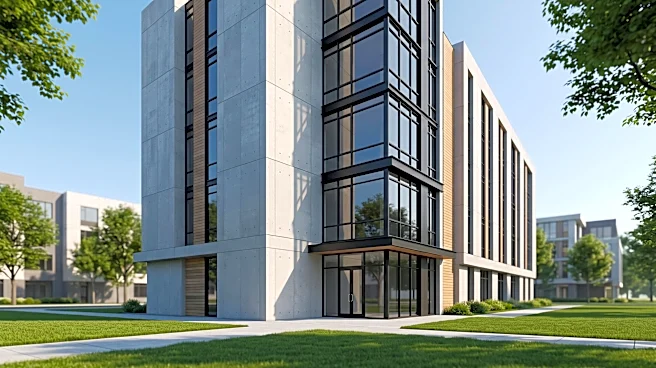
Sacramento State University freshmen encountered significant issues during move-in day for the fall semester, particularly at the newly constructed Mt. Whitney Hall. Despite the hall being a brand-new, $69 million facility completed before the 2026 fall semester, one
of its two elevators was out of service. This malfunction, observed as early as August 24, forced students on higher floors to either endure long waits for the single working elevator or carry their belongings up multiple flights of stairs. Students like Tatyana Martinez and Finn Anderson expressed frustration, noting the difficulty of moving items, especially with 'Herky Carts' designed for wheeled transport. Hadean Steck, a fifth-floor resident, reported making approximately 10 trips up and down the stairs due to the broken elevator, with no prior notification from the university. As of August 28, the elevator remained out of service, and University Housing Services had not provided a statement regarding the issue.
Why It's Important?
The elevator malfunction at Sacramento State's Mt. Whitney Hall during move-in day is important as it highlights potential operational oversights in new university infrastructure and impacts student experience. For freshmen, move-in day is a critical first impression of university life, and logistical challenges can create undue stress and a negative initial experience. The incident also raises questions about the readiness and maintenance protocols for new facilities, especially a building costing $69 million. Furthermore, the lack of communication from University Housing Services regarding the ongoing issue can erode trust and create frustration among students and their families. This situation could also have implications for accessibility, as the U.S. Department of Justice Civil Rights Division mandates that temporary access interruptions must be remedied promptly, and staff should assist individuals with disabilities during such periods.
What's Next?
In the immediate future, Sacramento State University will need to address the ongoing elevator issue at Mt. Whitney Hall and provide clear communication to its residents regarding the repair timeline. University Housing Services is expected to release a statement and outline the steps being taken to resolve the problem and prevent similar occurrences in the future. The university may also need to review its move-in day procedures and contingency plans for facility malfunctions to ensure a smoother experience for future student cohorts. Additionally, there could be internal investigations into why a brand-new facility experienced such a critical operational failure so soon after completion and why students were not adequately informed or assisted during the disruption. The long-term implications might include a re-evaluation of construction oversight and maintenance contracts for new campus buildings.
Beyond the Headlines
Beyond the immediate inconvenience, the incident at Mt. Whitney Hall touches upon broader issues concerning university accountability, student welfare, and the management of large-scale infrastructure projects. The substantial investment in a new residence hall is intended to enhance the student living experience, yet operational failures can undermine these efforts. This situation could prompt a closer examination of how universities manage the transition from construction to operational readiness for new buildings, particularly regarding critical services like elevators. It also underscores the importance of effective communication channels between university administration and students, especially during high-stress periods like move-in. The incident may also serve as a case study for other institutions planning similar expansions, emphasizing the need for robust testing, maintenance, and emergency protocols to ensure student safety and satisfaction.