
What's Happening?
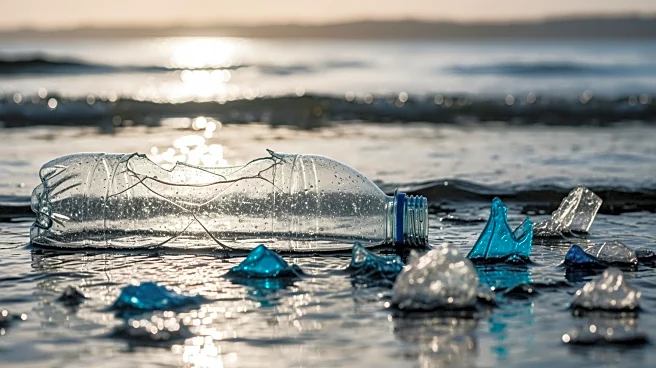
Negotiations for a global treaty to address the plastic pollution crisis have faced significant challenges, with the latest meeting in Geneva failing to produce an agreement. The accumulation of plastic in the oceans
is a growing concern, with estimates suggesting that between 75 to 199 million tonnes of plastic entered the oceans in 2021 alone. This plastic accounts for over 80% of marine debris. Efforts to monitor this pollution using satellite technology are ongoing, but currently limited. The lack of a global assessment of ocean pollution hampers the ability to set reduction targets and monitor the effectiveness of prevention policies. Scientists are exploring the use of satellite data to quantify plastic debris, but the technology is still in the research and development stage.
Why It's Important?
The failure to reach a global treaty on plastic pollution has significant implications for environmental policy and marine ecosystems. Without international cooperation, efforts to reduce plastic waste and its impact on marine life remain fragmented and less effective. The accumulation of plastic in the oceans poses a threat to biodiversity and human health, as it enters the food chain and affects marine species. The use of satellite technology to monitor plastic pollution could provide valuable data to inform policy decisions and track progress. However, the current limitations of this technology highlight the need for further investment and research to develop more effective monitoring tools.
What's Next?
Future steps may include renewed efforts to negotiate a global treaty, with a focus on setting clear reduction targets and improving international cooperation. The development of dedicated satellite missions to monitor plastic pollution could enhance the ability to track and address this issue. Additionally, increased public awareness and advocacy could pressure governments to take more decisive action. The scientific community may continue to explore innovative methods to detect and quantify plastic pollution, potentially leading to more effective solutions.
Beyond the Headlines
The ongoing plastic pollution crisis raises ethical and cultural questions about consumption patterns and waste management. The reliance on single-use plastics and inadequate waste disposal systems contribute to the problem, highlighting the need for systemic changes in production and consumption. The development of biodegradable alternatives and improved recycling infrastructure could play a role in addressing the root causes of plastic pollution. Furthermore, the issue underscores the importance of global cooperation in tackling environmental challenges that transcend national borders.