






What's Happening?
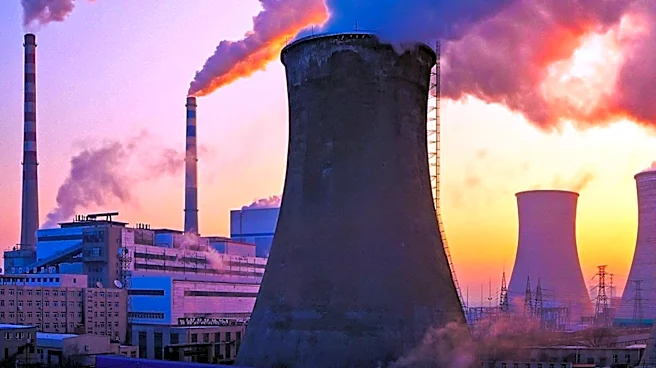
Guatemala has concluded four decades of oil exploitation in the Xan field, located within the Laguna del Tigre National Park, a protected area of the Maya Biosphere Reserve. The definitive end of Contract 2-85, originally signed in 1985 and extended in 2010,
means the Guatemalan state has assumed possession and operational control of the Xan field, the La Libertad refinery, and the SETH oil pipeline. These facilities were previously operated by the Anglo-French company Perenco Guatemala Limited. The decision not to renew the concession aligns with current legislation and the environmental policy of President Bernardo Arévalo's administration, effectively halting commercial crude extraction in this critical ecological zone. The state has also taken over strategic assets including an airstrip, a health center, and a ferry, with the National Civil Police and the Guatemalan Army securing the perimeter to prevent invasions and protect infrastructure.
Why It's Important?
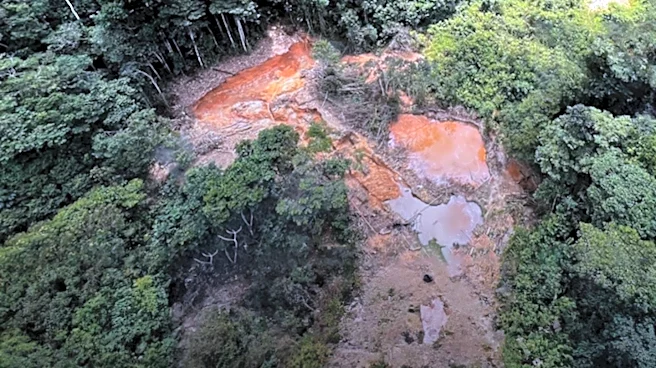
This move represents a significant victory for environmental conservation in Central America, particularly for the Laguna del Tigre National Park, which is Mesoamerica's largest freshwater wetland. The park is home to critical biodiversity, including the largest nesting population of red macaws in the country, jaguars, Central American tapirs, 54 fish species, and 97 butterfly varieties. The area also concentrates 70% of the water sources for the Maya Biosphere Reserve. Decades of oil extraction led to severe ecosystem fragmentation, unauthorized settlements, illegal logging, extensive cattle ranching, and the degradation of native forests, resulting in the loss of thousands of hectares of forest cover, including over 7,000 hectares impacted by fires in 2024 alone. While oil extraction generated over $1.5 billion in gross revenue for the state, it never became a macroeconomic pillar, representing less than 0.7% of the national GDP even in its peak years. Ending this exploitation prioritizes environmental protection over a relatively minor economic contribution.
What's Next?
Following the cessation of oil operations, the Ministry of Energy and Mines (MEM), led by Minister Víctor Hugo Ventura, has declared an institutional state of emergency. This measure allows for the direct contracting of specialized firms to manage the technical closure of the wells, aiming to prevent environmental contingencies such as hydrogen sulfide gas leaks or groundwater contamination. The MEM and the Ministry of Environment and Natural Resources (MARN) estimate that the sealing, dismantling, and environmental remediation process will require an investment of approximately $50 million and could extend for up to 20 years. This long-term commitment underscores the complexity and scale of restoring the ecological integrity of the affected area within the Laguna del Tigre National Park.
Beyond the Headlines
The decision to end oil exploitation in Laguna del Tigre National Park highlights a growing global trend towards prioritizing environmental conservation and sustainable development over resource extraction in ecologically sensitive areas. This action by Guatemala could serve as a precedent for other nations grappling with the balance between economic development and environmental protection, particularly in regions rich in biodiversity. It also reflects a shift in governmental policy under President Arévalo, signaling a stronger commitment to environmental stewardship. The long-term remediation efforts will not only restore the natural habitat but also address the social and economic impacts on local communities that have been affected by the environmental degradation and the transition away from the oil industry. This move could also attract international support and investment for conservation efforts in the Maya Biosphere Reserve.