




What's Happening?
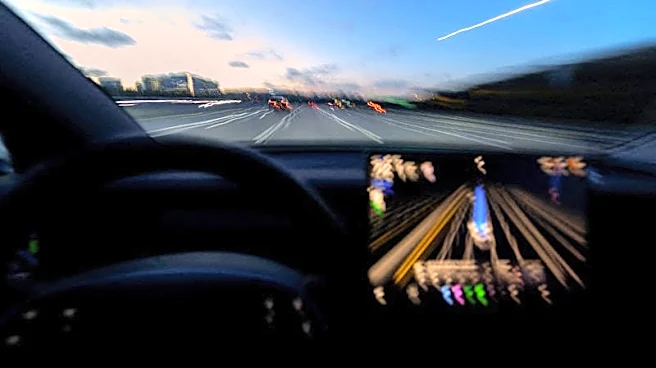
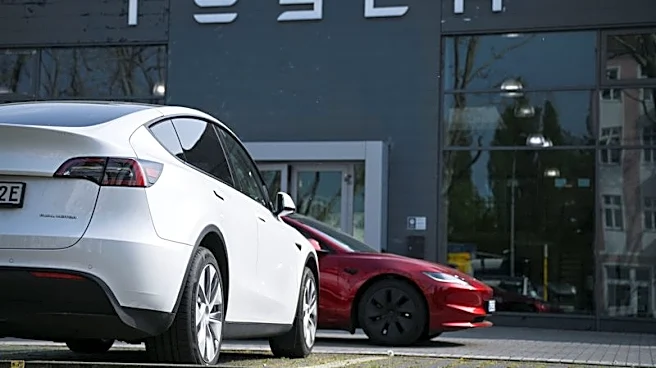
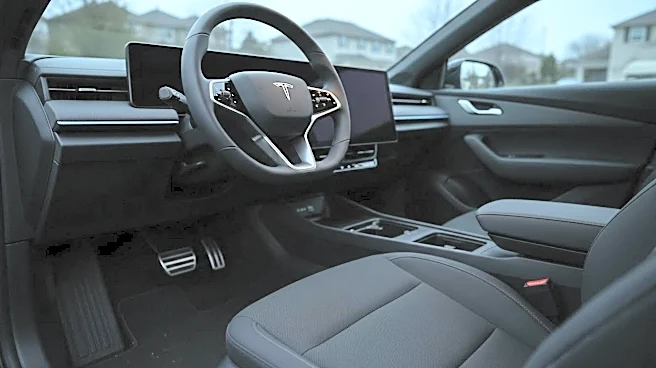
Michael Butler, 44, has been charged with manslaughter after crashing his Tesla into a home in Katy, Texas, killing 76-year-old Martha Ávila. The incident occurred when Butler allegedly manually overrode the vehicle's autopilot by pressing the accelerator,
reaching speeds of 73 mph. Tesla's data confirmed the manual override, contradicting Butler's claim that the self-driving system was engaged. Ávila's family has filed a lawsuit against both Butler and Tesla, citing the driver's actions and Tesla's driver-assistance technology as contributing factors.
Why It's Important?
This incident raises significant concerns about the safety and reliability of Tesla's autopilot system, as well as the responsibilities of drivers using such technology. The case highlights the potential legal and ethical implications of autonomous driving features, particularly when human intervention leads to fatal outcomes. The lawsuit against Tesla could have broader implications for the company's liability and the regulatory framework governing self-driving technologies. This event may prompt increased scrutiny and calls for stricter regulations on autonomous vehicle systems.
What's Next?
The investigation into the crash is ongoing, with potential implications for Tesla's driver-assistance technology and its regulatory oversight. The outcome of the lawsuit could influence future legal standards and consumer trust in autonomous driving systems. Tesla may face pressure to enhance safety features and provide clearer guidelines for the use of its autopilot system. Additionally, this incident could lead to broader discussions on the ethical and legal responsibilities of drivers and manufacturers in the era of autonomous vehicles.