






What's Happening?
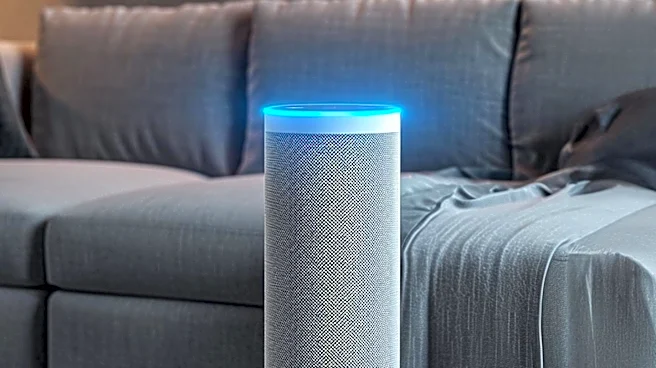
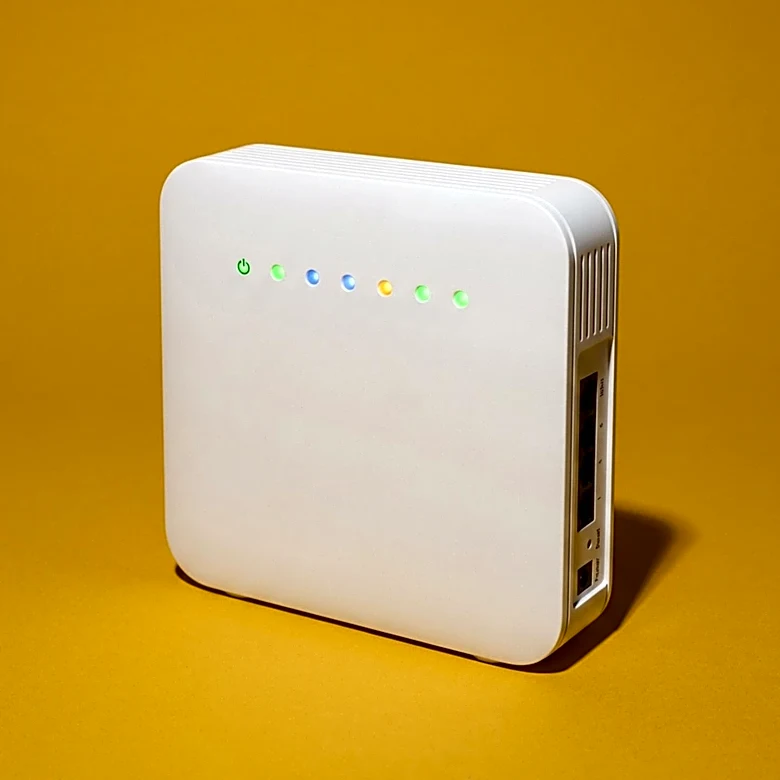
Amazon has introduced a new Echo Dot model that integrates an Eero Wi-Fi extender and functions as a smart home hub. This updated device aims to enhance home connectivity and smart device management. The Echo Dot now includes Amazon's custom-designed
AZ3 chip for on-device AI voice processing, which is expected to facilitate more natural interactions with Alexa by reducing the need for data center round-trips for voice commands. Additionally, a fourth microphone has been added to improve voice recognition and allow for better identification of individual users through Voice ID. The smart home hub functionality supports Zigbee, Matter, and Thread protocols, enabling control over thousands of compatible smart home devices directly from the Echo Dot. This new iteration also boasts improved audio quality with a full-range driver, offering 50 percent more bass than its predecessor. The device is available for $100, with a Kids Echo Dot model also offered.
Why It's Important?
The integration of an Eero Wi-Fi extender into the Echo Dot is a significant development for consumers seeking to eliminate Wi-Fi dead zones and improve internet connectivity throughout their homes without purchasing a separate extender. This feature, which can add up to 1,000 square feet of coverage, provides substantial value, especially for existing Eero network users. The expanded smart home hub capabilities, supporting multiple protocols like Zigbee, Matter, and Thread, position the Echo Dot as a more central and versatile control point for a wide array of smart devices. This move by Amazon could further solidify its dominance in the smart home market by offering a more comprehensive and cost-effective solution, potentially impacting competitors and driving broader adoption of smart home technologies. The enhanced AI processing and voice recognition also promise a more seamless and personalized user experience, making smart home interactions more intuitive.
What's Next?
The new Echo Dot is now available for purchase, and its release is expected to influence consumer choices in the smart home and Wi-Fi extension markets. Amazon's strategy of bundling multiple functionalities into a single device could prompt other tech companies to follow suit, leading to more integrated smart home solutions. Users with existing Eero networks are likely to be early adopters, leveraging the Wi-Fi extension capabilities. The broader support for Matter and Thread protocols suggests a future where smart home devices from various manufacturers can communicate more seamlessly, potentially simplifying the smart home ecosystem for consumers. Amazon may continue to refine its AI processing and voice recognition features, further enhancing the user experience and expanding Alexa's capabilities in smart home management.
Beyond the Headlines
This development reflects a broader trend in the tech industry towards consolidating smart home functionalities into fewer, more powerful devices. By combining a smart speaker, a smart home hub, and a Wi-Fi extender, Amazon is not only offering convenience but also potentially reducing electronic waste and simplifying home technology setups. The emphasis on on-device AI processing for Alexa raises interesting implications for data privacy and security, as more voice commands are processed locally rather than in the cloud. This could set a new standard for how smart devices handle personal data. Furthermore, the enhanced interoperability through Matter and Thread protocols signifies a move towards a more open and less fragmented smart home landscape, which could empower consumers with greater choice and flexibility in building their connected homes. This strategic integration could also lead to increased competition and innovation in the smart home sector.