


What's Happening?
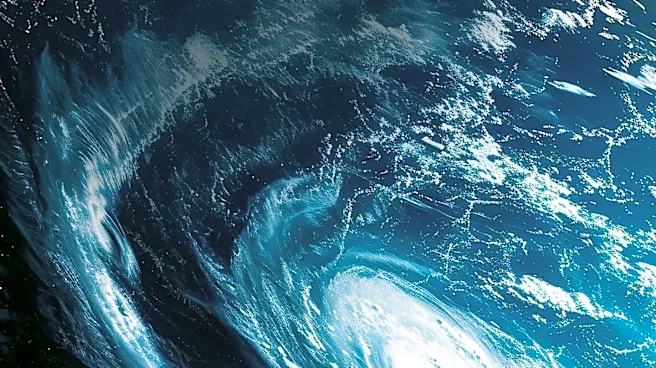
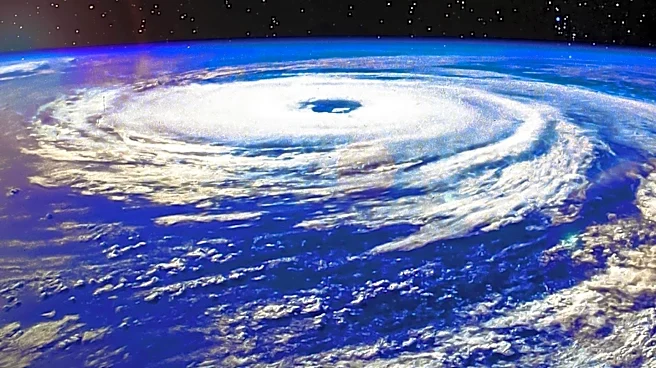
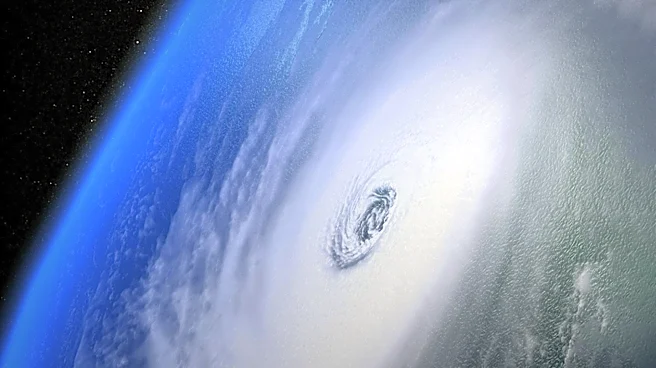
Shanghai's two major airports, Hongqiao and Pudong, canceled over 1,300 flights on Sunday as Typhoon Dolphin approached, bringing heavy rain and strong winds. The storm, with maximum sustained winds of about 162 kmph, affected northern Taiwan and is expected
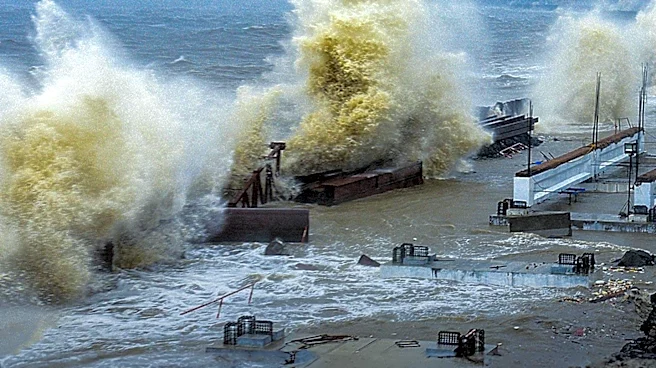
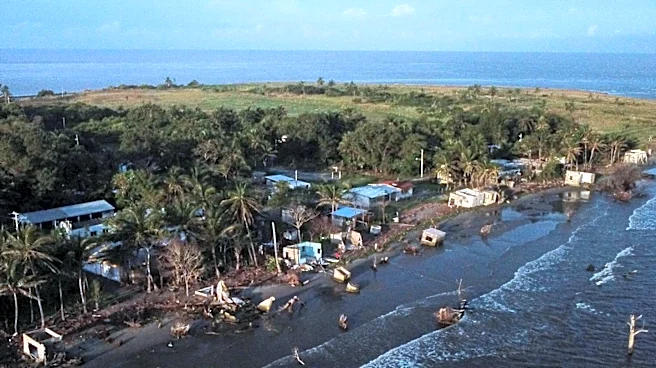
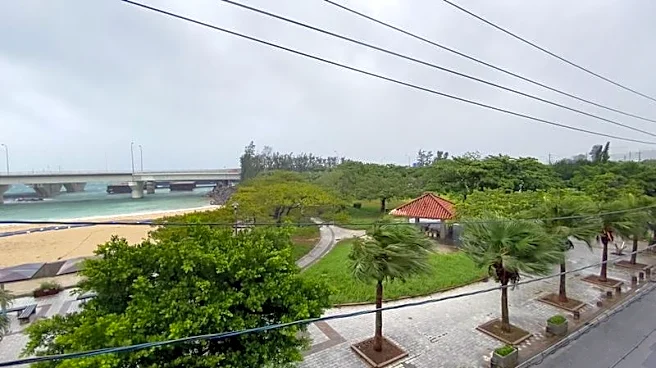
to impact China's eastern coast, particularly Zhejiang and Fujian provinces. Authorities have evacuated approximately 390,000 people in Taizhou city, Zhejiang, and over 30,000 in Shanghai from high-risk areas. The storm's potential to cause severe flooding and landslides has led to the suspension of water-based activities, including ferry services and cruises.
Why It's Important?
The cancellation of flights and mass evacuations highlight the significant impact of Typhoon Dolphin on China's infrastructure and public safety. The disruption in air travel affects not only local residents but also international travelers, potentially leading to economic losses for airlines and related industries. The evacuations and preventive measures underscore the severity of the storm's threat, emphasizing the need for effective disaster management strategies in the face of increasingly frequent and intense weather events.
What's Next?
As Typhoon Dolphin continues its path, authorities will likely maintain or increase evacuation efforts and other precautionary measures to mitigate the storm's impact. The focus will be on ensuring public safety and minimizing damage to infrastructure. The response from local governments and emergency services will be crucial in managing the aftermath and recovery process. Monitoring the storm's progression and adjusting strategies accordingly will be essential in the coming days.