


What's Happening?
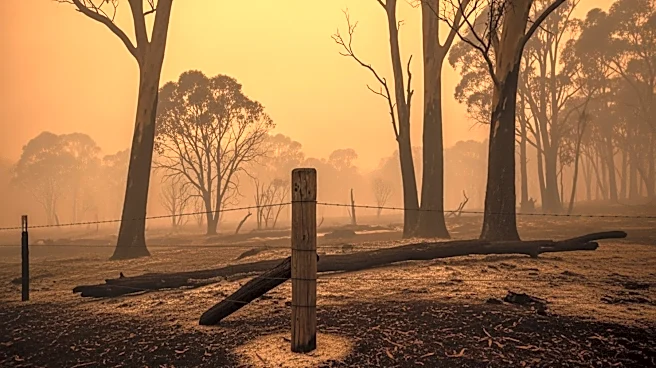
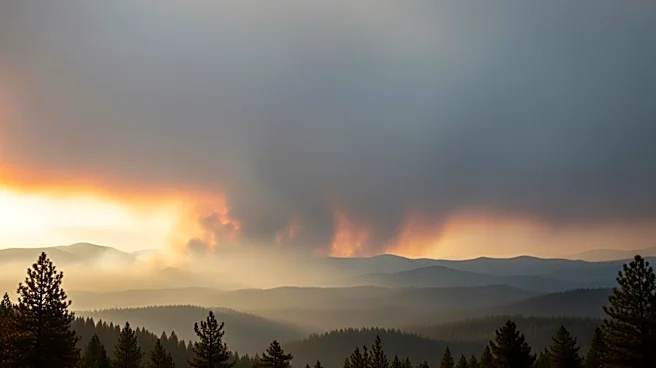
Wildfires are increasingly becoming a major concern for drinking water safety in the United States. According to NASA, the warming climate is intensifying wildland fire activity, which has more than doubled globally. These fires not only destroy land but
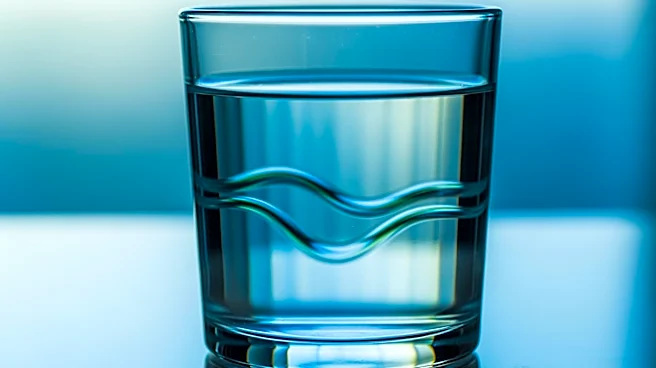
also severely degrade water quality in forested watersheds that supply water to nearly two-thirds of U.S. municipalities. The contamination occurs through direct exposure to suspended solids, nutrients, organic carbon, and heavy metals, with some levels exceeding U.S. EPA safe standards by 66,000 times. Additionally, infrastructure damage from fires, such as the breakdown of PVC pipes at high temperatures, releases volatile organic compounds into the water supply. This contamination can persist for months, posing a significant challenge to municipal treatment facilities and standard in-home filters.
Why It's Important?
The impact of wildfires on drinking water is a critical issue for public health and safety. As wildfires become more frequent and severe, the risk of water contamination increases, affecting millions of Americans who rely on municipal water systems. The inability of current water treatment facilities to handle such extreme contamination highlights the need for improved infrastructure and emergency response strategies. Furthermore, the economic implications are significant, as communities may face increased costs for water treatment and infrastructure repairs. Addressing this issue is also crucial for environmental sustainability, as it underscores the broader challenges posed by climate change and the need for proactive land management and climate action.
What's Next?
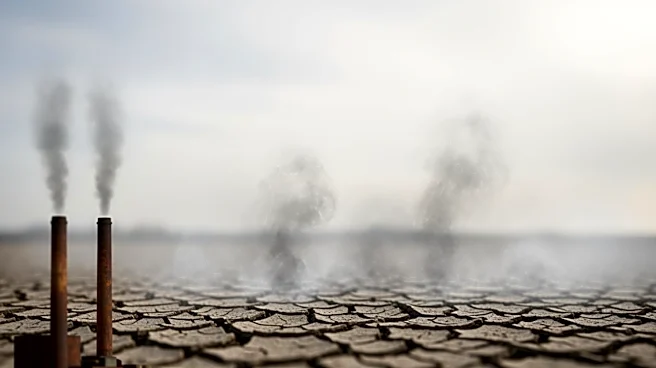
To mitigate the risks associated with wildfire-induced water contamination, several steps are necessary. Local water authorities must provide clear advisories on water safety following fires, and there is a need for investment in fire-resistant infrastructure materials. Encouraging controlled burns and better land management practices can help reduce the severity of wildfires. Additionally, addressing climate change through policy and action is essential to prevent the exacerbation of these environmental challenges. Stakeholders, including government agencies, environmental organizations, and the public, must collaborate to develop comprehensive strategies to protect water resources and public health.
Beyond the Headlines
The issue of wildfire-related water contamination also raises ethical and legal questions about environmental justice. Communities with fewer resources may be disproportionately affected by contaminated water supplies, highlighting the need for equitable access to safe drinking water. Moreover, the long-term environmental impacts of frequent wildfires, such as changes in ecosystem health and biodiversity loss, require ongoing research and monitoring. As climate change continues to alter weather patterns, understanding and addressing these complex interactions will be crucial for sustainable development and resilience.