





What's Happening?
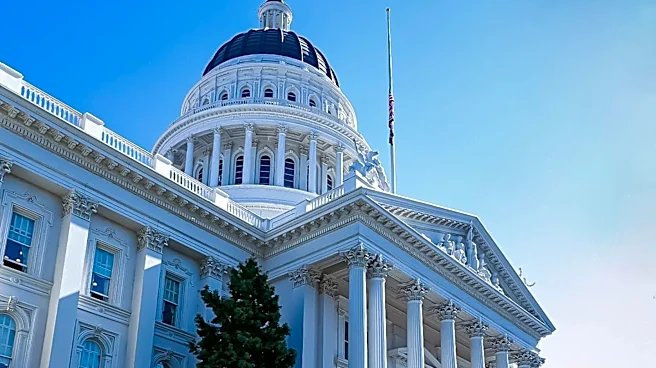
Proposition 43, a statewide initiative set for a vote in November, seeks to make it more difficult to pass special taxes in California. The measure would require a two-thirds majority vote to impose or extend taxes earmarked for specific purposes, a change
from the current simple majority needed for citizen-initiated special taxes. This proposition arises from a 2017 California Supreme Court ruling that allowed such taxes to pass with a simple majority. If approved, the new rules would take effect on January 1, 2027, and would not affect taxes already passed.
Why It's Important?
Proposition 43 could significantly impact local governments' ability to fund essential services such as education, healthcare, and infrastructure. Proponents argue it closes a loophole that allows taxes to pass too easily, while opponents warn it could hinder necessary funding for public services. The measure reflects ongoing debates about taxation and governance, highlighting tensions between taxpayer protections and the need for public investment. The outcome could set a precedent for how local tax measures are handled in the future, affecting public policy and community resources.
What's Next?
As the vote approaches, both supporters and opponents of Proposition 43 are likely to intensify their campaigns. Advocacy groups, local governments, and community organizations will play crucial roles in shaping public opinion. The measure's passage or failure could influence future legislative efforts and voter initiatives related to taxation. Stakeholders will need to consider alternative funding mechanisms if the proposition passes, potentially leading to increased reliance on state funding or general taxes.