








What's Happening?
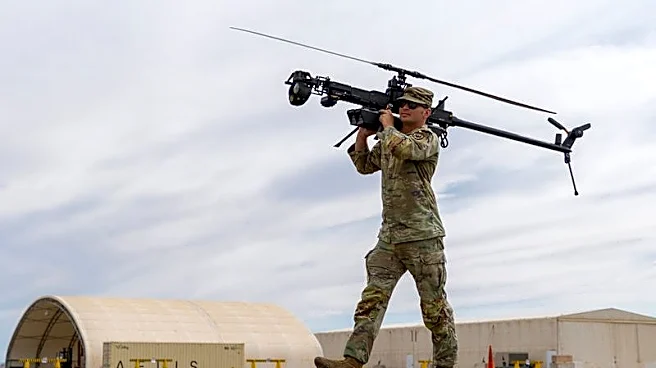
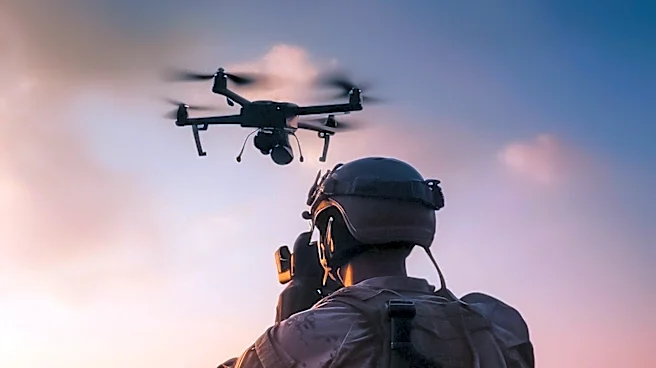
The U.S. Army is retooling several of its depots, traditionally used for military equipment maintenance, repair, and overhaul, to begin manufacturing drone components. This strategic shift is in response to the massive demand for small uncrewed air vehicles
(UAVs), particularly first-person-view drones, which are deemed essential for potential conflicts in regions like Europe and the Pacific. The Pentagon faces a significant challenge as U.S. drone production is currently minimal compared to the millions of drones being produced by countries like Ukraine. Jon Strzelec, the U.S. Army Materiel Command’s advanced manufacturing lead for small uncrewed air systems, highlighted the immense scale of this undertaking, noting the need for millions of circuit cards, motors, propellers, and frames. Facilities like Tobyhanna Army Depot in Pennsylvania have already opened new assembly lines, such as one for brushless DC motors, with the capacity to produce up to 500,000 motors annually.
Why It's Important?
This initiative is critical for U.S. national security, addressing a significant deficit in domestic drone production compared to potential adversaries. The U.S. Army's move to internalize drone component manufacturing aims to reduce reliance on foreign supply chains, particularly from countries like China, which currently dominates global drone production. This strategy is part of a larger $18.1 billion modernization plan for the U.S. Army’s Organic Industrial Base, ensuring that the military can meet its operational needs for training and combat. By expanding its own manufacturing capacity alongside funding private-sector producers, the Pentagon is fostering a more resilient and self-sufficient defense industrial base, which is vital for long-term strategic independence and readiness.
What's Next?
The U.S. Army plans to continue retooling and expanding its depot capabilities to produce a wide array of drone components, including circuit cards, motors, propellers, frames, and battery packs. These depots will operate like contract manufacturers, offering their facilities and expertise to startups that may lack the necessary equipment. The Defense Innovation Unit’s (DIU) Drone Dominance program will also continue to fund private companies to develop and manufacture drones, aiming to establish a robust U.S. drone industry capable of producing millions of UAVs annually. The immediate goal is to supply soldiers with drones for training and operational use, with a long-term vision of achieving 100% American-manufactured drones to ensure national security and technological sovereignty.
Beyond the Headlines
This shift in U.S. Army production strategy has profound implications for the future of warfare and industrial policy. It signifies a recognition that modern conflicts increasingly rely on mass-produced, cost-effective technologies like drones, moving beyond traditional high-cost, low-volume defense procurement. The initiative also highlights a broader trend of reshoring manufacturing and strengthening domestic supply chains, driven by geopolitical tensions and the need for strategic independence. Ethically, the proliferation of drones raises questions about autonomous weapons systems and the changing nature of combat. Economically, it could stimulate significant growth in the U.S. defense manufacturing sector, creating jobs and fostering innovation in advanced manufacturing techniques.