








What's Happening?
A recent court ruling has allowed the case challenging President Trump's ban on transgender military service members to proceed as a class action lawsuit. The case, Talbott v USA, seeks to extend protections to all transgender service members currently
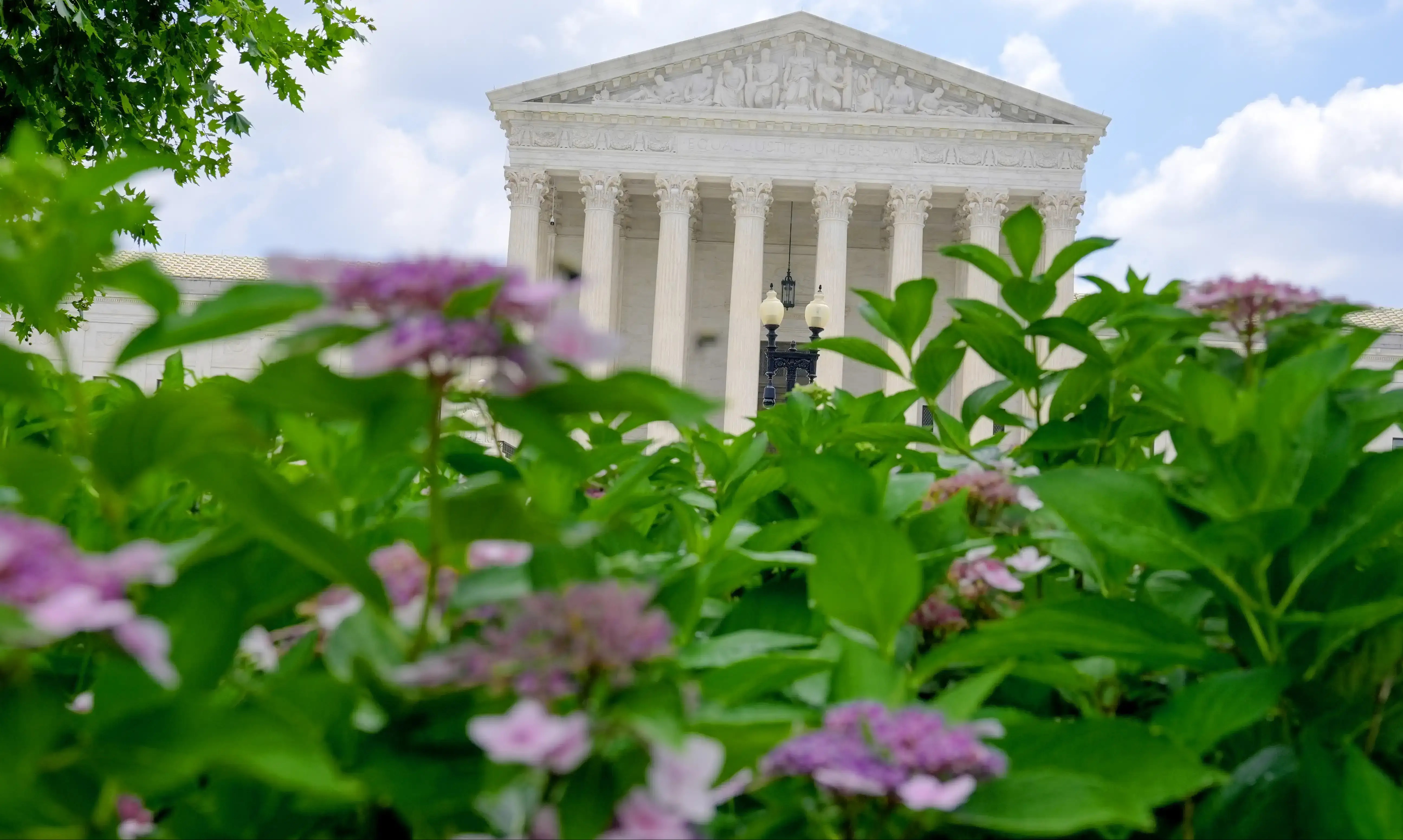
serving. This development follows a U.S. Court of Appeals decision that upheld a preliminary injunction against the ban, indicating that the policy may violate constitutional rights. The ruling allows attorneys to apply any future court decisions broadly to all transgender service members, not just the original plaintiffs. Legal representatives from GLAD Law and the National Center for LGBTQ Rights are leading the case, emphasizing that the ban is discriminatory and lacks a legitimate basis.
Why It's Important?
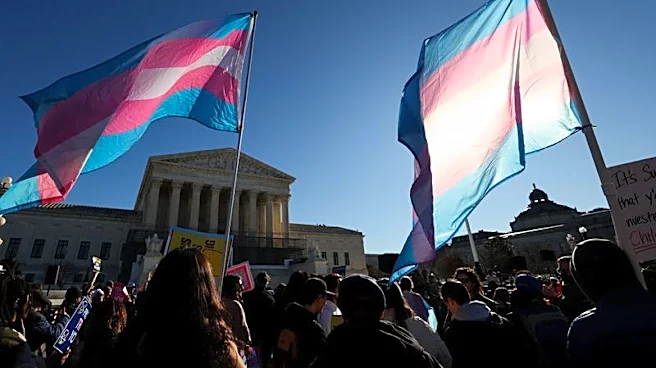
This ruling is significant as it potentially impacts all transgender individuals serving in the U.S. military, ensuring that any legal victories will apply to a broader group. The decision underscores ongoing legal challenges to policies perceived as discriminatory against transgender individuals. It highlights the judiciary's role in checking executive actions that may infringe on constitutional rights. The outcome of this case could set a precedent for how similar cases are handled in the future, affecting military policy and the rights of LGBTQ+ individuals in the U.S.
What's Next?
The case will continue to progress through the courts, with further legal processes anticipated. The Trump administration is expected to challenge the application of the ruling to all transgender service members. Legal teams will need to navigate these challenges while advocating for the rights of their clients. The broader implications for military policy and the treatment of transgender individuals in the armed forces will be closely watched by stakeholders, including civil rights organizations and military personnel.
Beyond the Headlines
The case highlights broader societal debates about the inclusion of transgender individuals in various sectors, including the military. It raises questions about the balance between executive authority and individual rights. The outcome could influence public policy and societal attitudes towards transgender individuals, potentially leading to more inclusive practices across different institutions.