








What's Happening?
Arizona officials have confirmed five cases of New World screwworm in animals, including two dogs, two horses, and a sheep. These cases were identified in Cochise, Greenlee, and Graham counties, with one dog having no known travel history, according to the
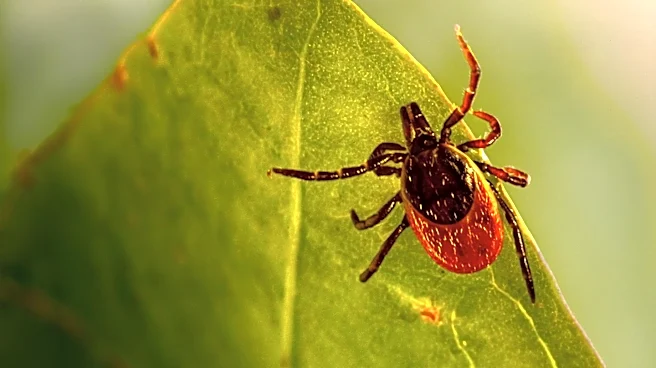
Arizona Department of Agriculture. The New World screwworm is a parasitic fly whose larvae burrow into the living flesh of warm-blooded animals, feeding on tissue and potentially causing severe, even fatal, damage. Female flies lay eggs in open wounds, which then hatch into larvae. Dr. Mindy Bemmerl, director of veterinary medicine at the Arizona Humane Society, emphasized that even small wounds can become infested. The U.S. Department of Agriculture is actively working to control the outbreak by releasing sterile male screwworm flies, a strategy designed to reduce the fly population by preventing viable egg production.
Why It's Important?
The confirmed cases in Arizona are part of a broader regional outbreak, with New Mexico reporting 33 cases and Texas 78. This parasitic infestation poses a significant threat to both domestic animals and wildlife, as all warm-blooded animals are susceptible. The economic impact could be substantial for livestock owners and the agricultural sector due to potential animal losses and increased veterinary costs. For pet owners, the outbreak necessitates heightened vigilance and proactive measures, including regular wound checks and discussions with veterinarians about preventative care. The spread of screwworm also impacts wildlife populations, potentially disrupting ecosystems and requiring extensive monitoring and management efforts from state and federal agencies. The U.S. Department of Agriculture's intervention highlights the severity of the threat and the coordinated effort required to contain it.
What's Next?
Pet owners in Arizona are advised to regularly inspect their animals for wounds, particularly around the ears, nose, and mouth, and to watch for maggot-like larvae, lethargy, or behavioral changes. Any suspicious wounds should be promptly evaluated by a veterinarian, as screwworm is a reportable condition requiring specific testing and treatment. Traveling with pets may also become more complex, with Mexico and California already implementing inspection certificate requirements for animals entering from Arizona. The U.S. Department of Agriculture will continue its sterile male screwworm fly release program to suppress the population. Ongoing surveillance and public awareness campaigns will be crucial to prevent further spread and mitigate the impact on animal health and regional economies.
Beyond the Headlines
The re-emergence and spread of New World screwworm in the U.S. underscore the persistent challenges of managing invasive species and animal diseases, even those previously eradicated. This situation highlights the interconnectedness of animal health, public health, and economic stability, particularly in agricultural regions. The use of sterile insect technique by the USDA demonstrates a sophisticated biological control method, but its effectiveness relies on sustained effort and community cooperation. The outbreak also raises questions about biosecurity measures and the potential for reintroduction of eradicated pests, emphasizing the need for robust surveillance systems at borders and within states. The impact on wildlife, especially deer populations, could have long-term ecological consequences, affecting hunting seasons and conservation efforts.