






What's Happening?
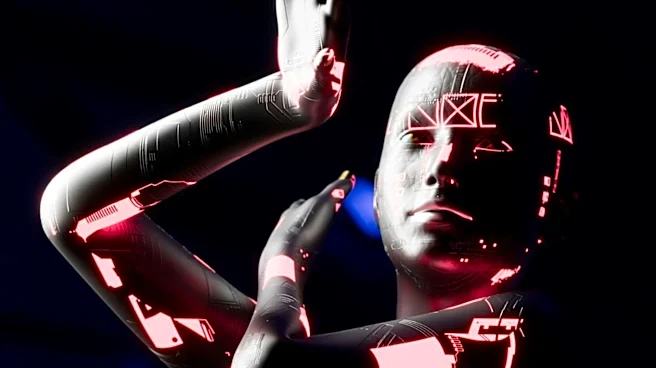
Several major airlines, including United and Delta, have implemented bans on humanoid and pet-like robots from being transported in aircraft cabins or checked luggage. This decision is primarily driven by safety concerns associated with the lithium-ion
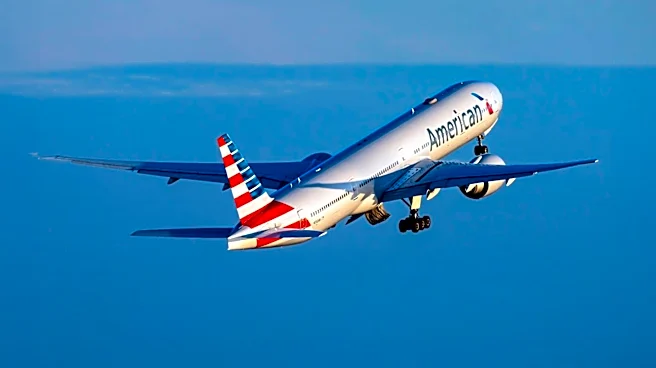
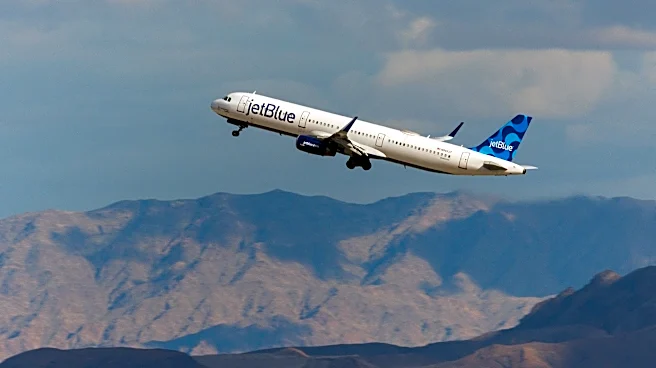
batteries that power these robots, which can pose fire hazards if mishandled. The bans are described as proactive measures to ensure passenger and crew safety, as the use of such technology becomes more prevalent. While some airlines like JetBlue and American Airlines have not yet adopted similar policies, the trend reflects a growing caution in the industry regarding emerging technologies.
Why It's Important?
The bans highlight the aviation industry's cautious approach to integrating new technologies that could pose safety risks. Lithium-ion batteries, while common in many devices, have a history of causing fires if damaged or improperly handled. By restricting robots with these batteries, airlines aim to mitigate potential in-flight hazards. This move could influence other sectors to reevaluate the safety protocols surrounding the use of advanced robotics and battery technologies. Researchers and developers may face challenges in transporting their robotic innovations for demonstrations or research purposes, potentially slowing technological advancements.
What's Next?
As the use of humanoid robots becomes more widespread, airlines and regulatory bodies may need to develop standardized guidelines for safely transporting such devices. This could involve creating specialized containment solutions for batteries or developing alternative power sources that pose fewer risks. The aviation industry might also collaborate with technology developers to ensure that future robotic devices meet stringent safety standards. Additionally, the bans could prompt discussions on broader regulatory measures for other industries that rely on similar battery technologies.