




What's Happening?
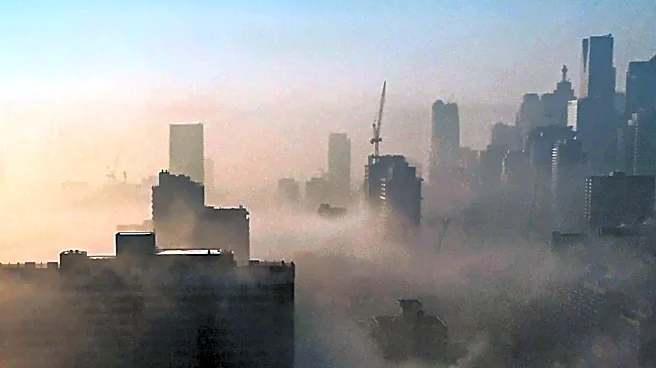
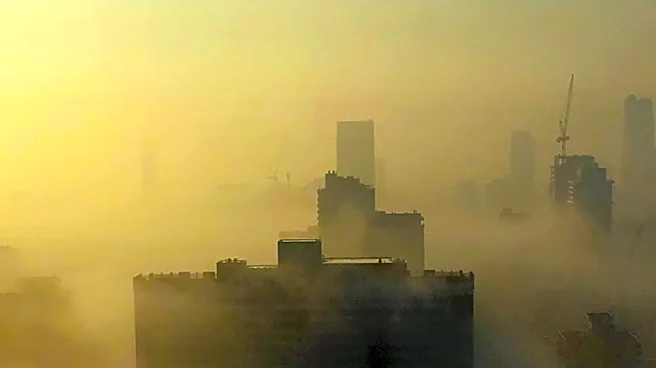
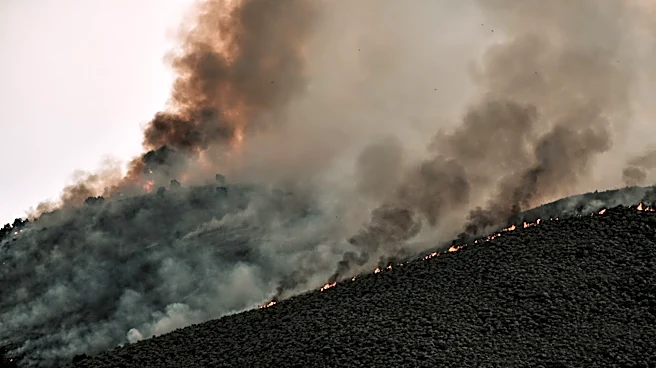
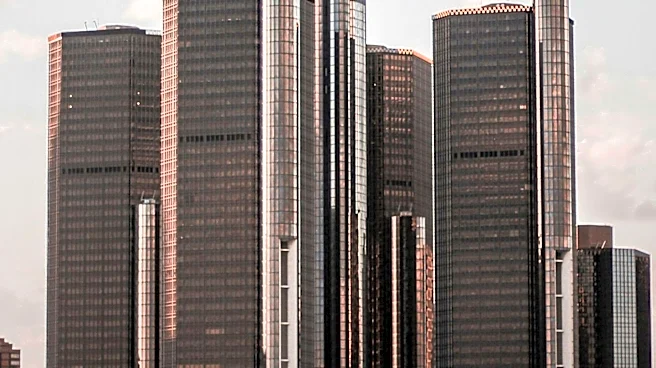
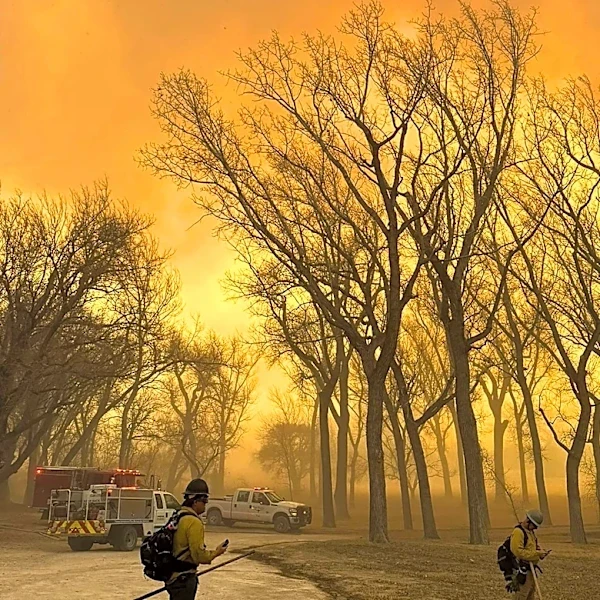
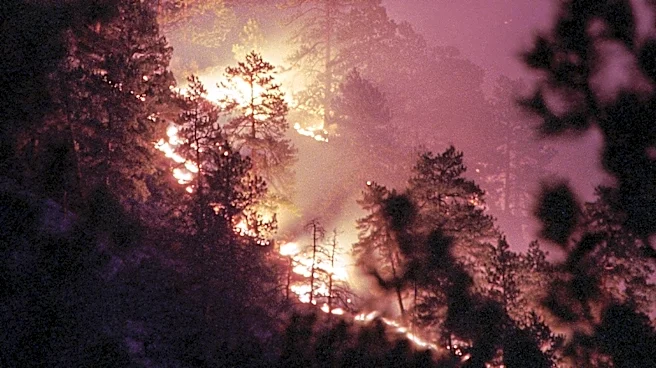
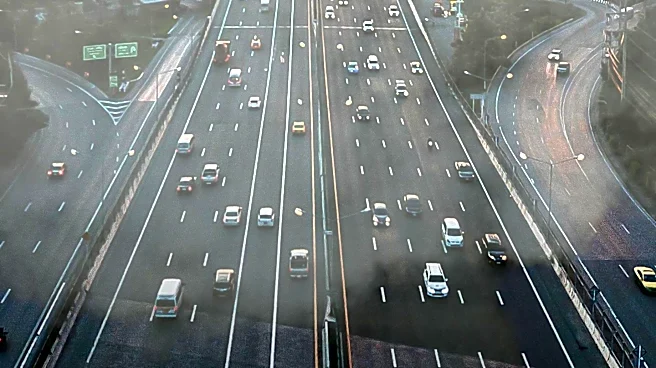
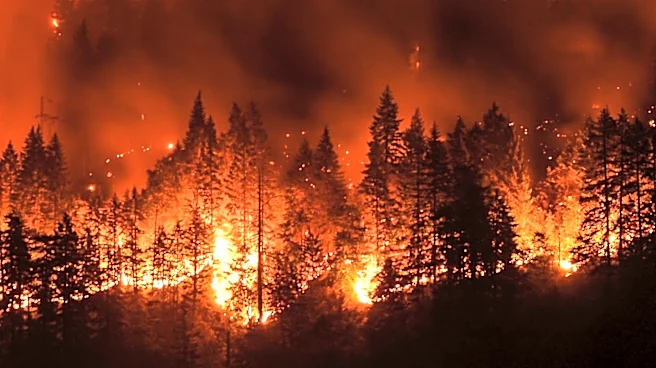
Detroit has been reported to have the worst air quality among major global cities due to smoke from wildfires in Canada and Minnesota. The city's air quality index (AQI) reached hazardous levels, prompting health advisories for residents. The Michigan
Department of Environment, Great Lakes, and Energy (EGLE) has extended an Air Quality Alert, advising residents to limit outdoor activities and keep windows closed. The situation is expected to improve as weather patterns change, with winds potentially clearing the smoke. However, the ongoing wildfires continue to pose a threat to air quality in the region.
Why It's Important?
The poor air quality in Detroit poses significant health risks, particularly for individuals with respiratory conditions and other vulnerable groups. This situation highlights the broader environmental impact of wildfires, which are becoming more frequent and severe due to climate change. The air quality crisis underscores the need for effective environmental policies and emergency response strategies to protect public health. It also raises awareness about the interconnectedness of environmental issues across borders, as smoke from Canadian wildfires affects air quality in the U.S.
What's Next?
Authorities will continue to monitor air quality levels and provide updates to the public. Residents are advised to follow health guidelines and take precautions to minimize exposure to polluted air. Efforts to address the root causes of wildfires, such as climate change mitigation and forest management, may gain renewed focus. The situation may also prompt discussions on cross-border cooperation to manage environmental crises that have regional impacts.