



What's Happening?
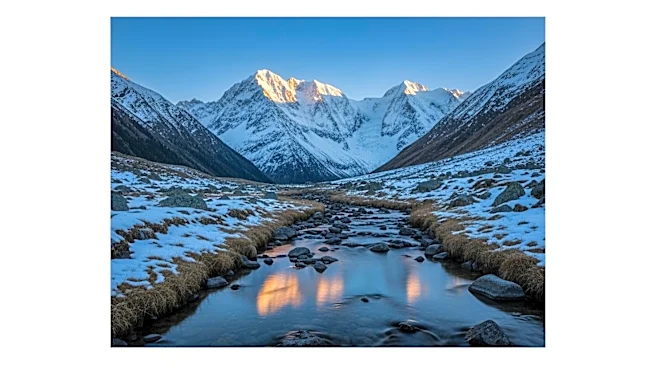
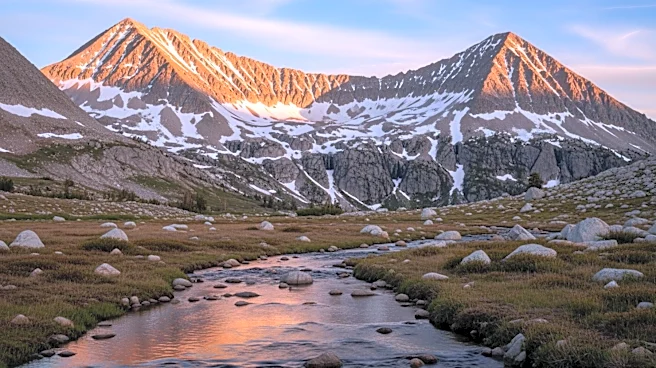
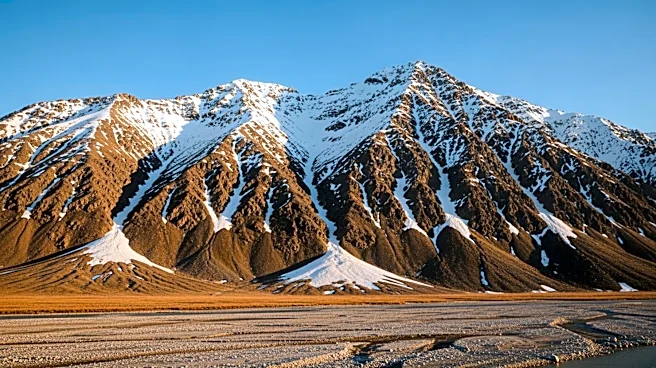
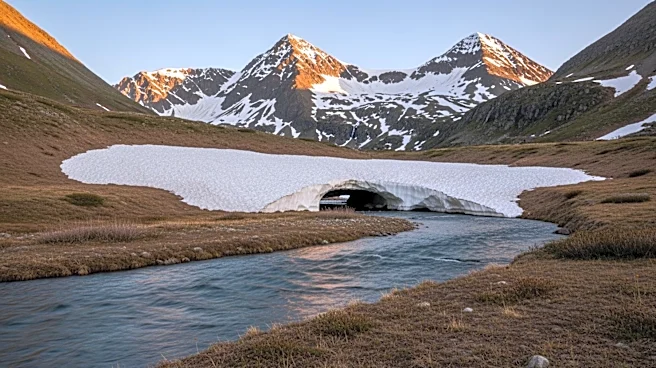
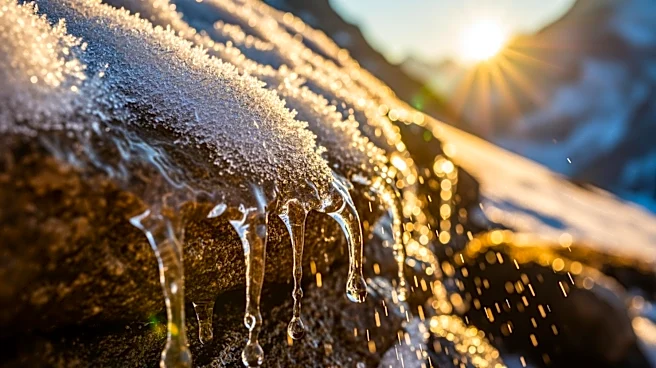
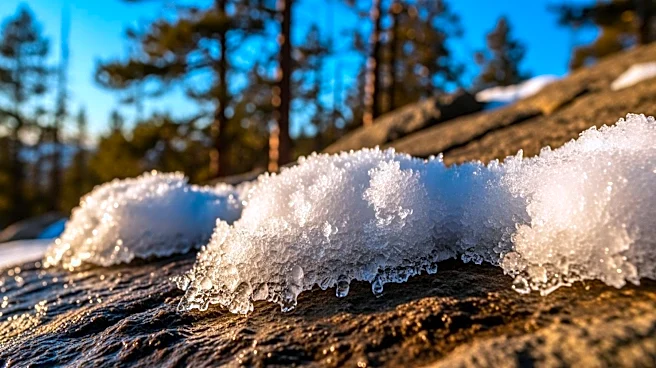
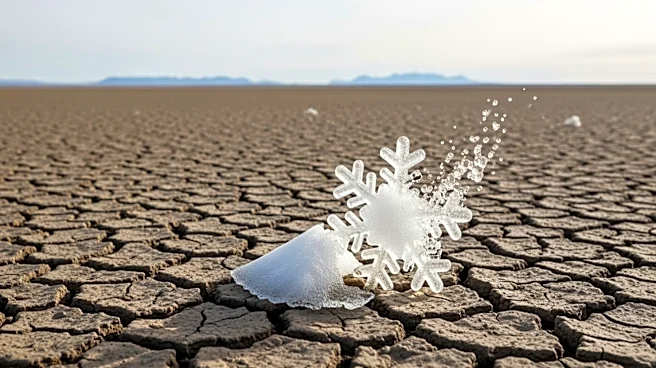
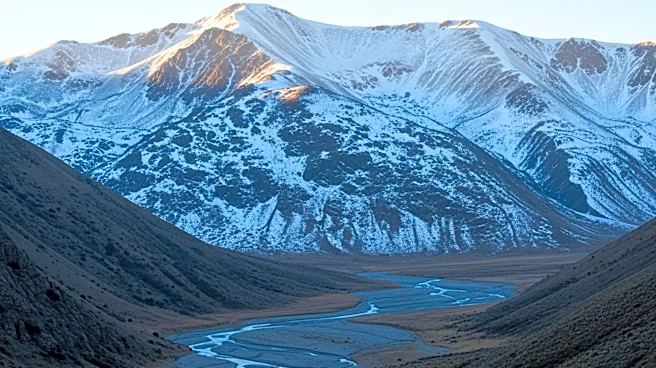
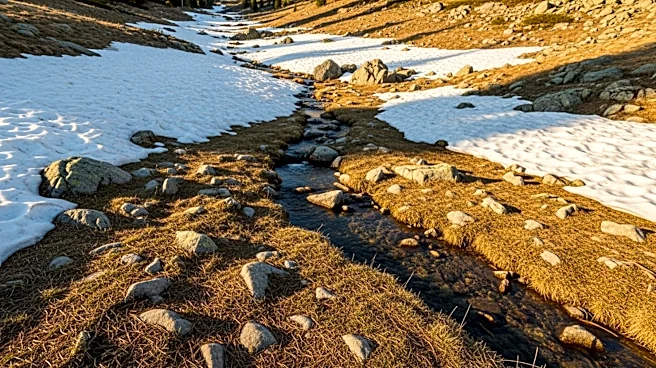
California's Sierra Nevada snowpack, which typically peaks on April 1, has melted significantly due to an unusually warm March. The snowpack measured just 18% of its average, one of the lowest in decades, as record-breaking heat accelerated the melt.
This early runoff is part of a broader trend linked to climate change, which is causing more precipitation to fall as rain rather than snow. The rapid melting poses challenges for water management in California, as the snowpack traditionally serves as a critical water reservoir.
Why It's Important?
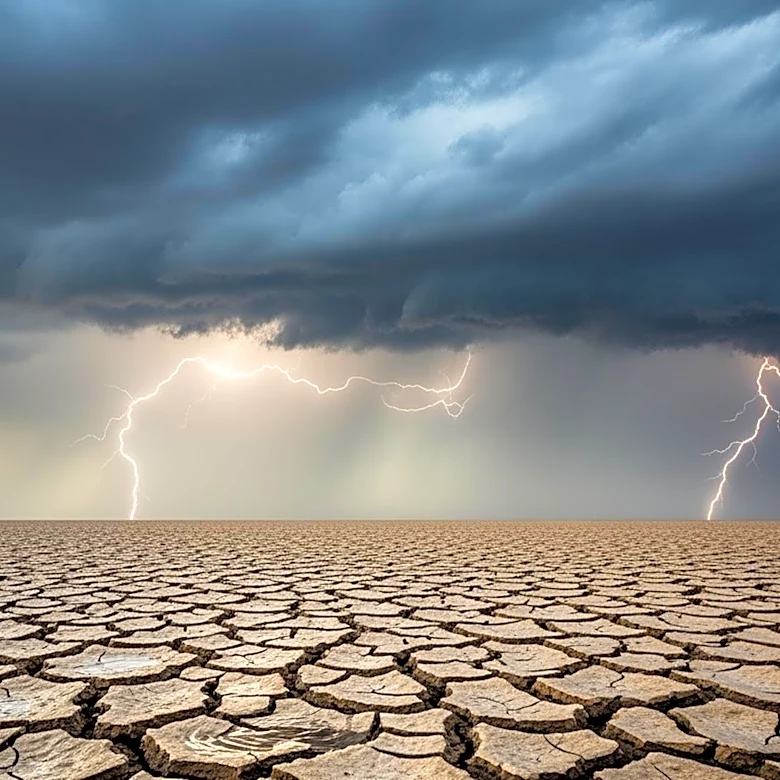
The early melting of the Sierra Nevada snowpack highlights the ongoing impact of climate change on water resources in California. As the state relies heavily on snowpack for water storage, the shift towards earlier runoff and reduced snow levels could lead to water shortages, increased wildfire risks, and ecological disruptions. This situation underscores the need for adaptive water management strategies, such as improving water use efficiency and enhancing groundwater recharge, to mitigate the effects of climate variability.
What's Next?
California may need to implement new water management practices to address the challenges posed by changing snowpack patterns. This includes investing in infrastructure to capture and store runoff, promoting water conservation, and exploring alternative water sources. Policymakers and scientists will likely continue to monitor climate trends and develop strategies to ensure water security in the face of ongoing environmental changes.