




What's Happening?
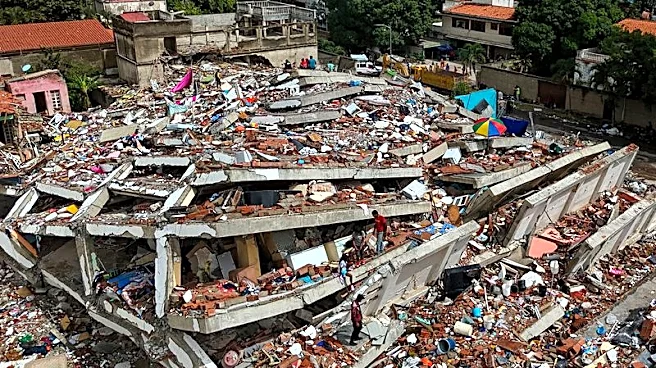
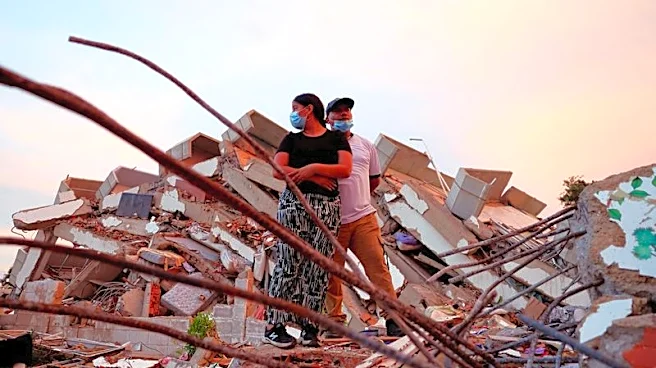
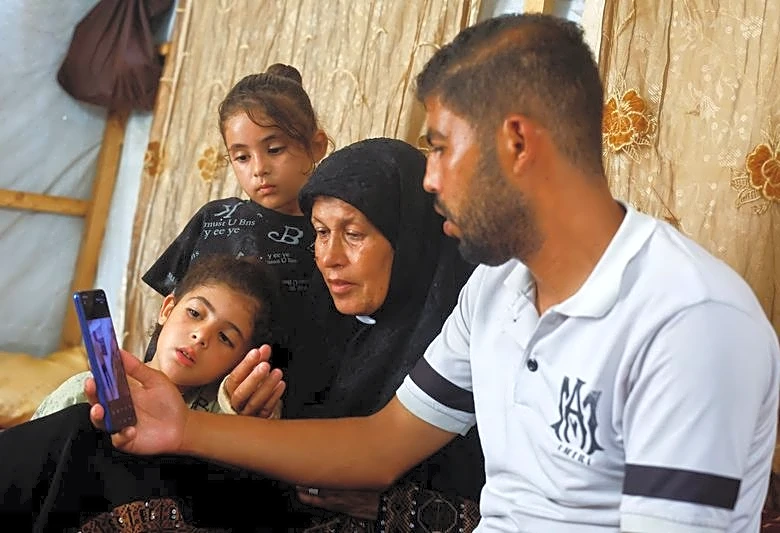
In the aftermath of devastating twin earthquakes in Venezuela, Rubén Darío Sillie, a business consultant, turned to social media to seek help for his family trapped under rubble in La Guaira. The earthquakes, which struck the city on a Wednesday evening,
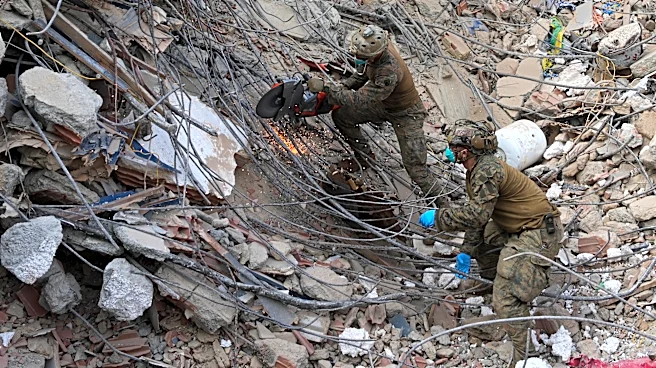
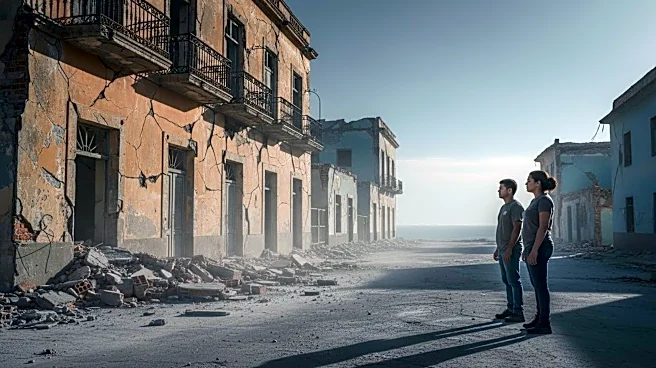
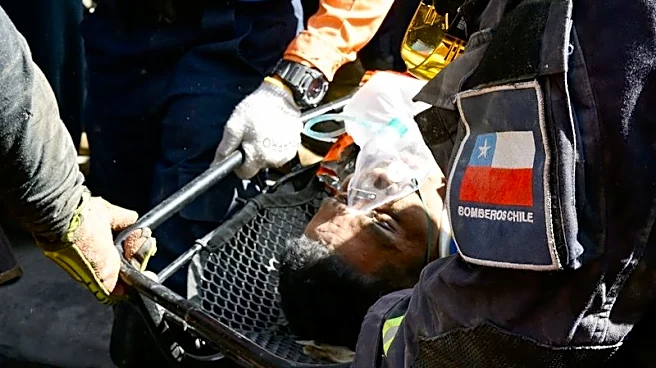
resulted in significant destruction, with the official death toll nearing 2,000 and over 10,000 injured. Sillie's wife and youngest daughter were among those buried in the debris of their collapsed eight-story building. With no immediate response from local authorities, Sillie posted a video on Instagram pleading for rescue assistance. His post highlighted the lack of official aid and the reliance on civilian volunteers for rescue efforts. The Venezuelan government, led by interim President Delcy Rodríguez, faced criticism for its inadequate response to the disaster. It wasn't until foreign relief teams arrived that systematic search and rescue operations began.
Why It's Important?
The situation underscores the critical role of social media in disaster response, especially when official channels fail to provide timely assistance. Sillie's use of Instagram to call for help exemplifies how individuals can leverage technology to mobilize support and draw international attention to crises. The delayed response from the Venezuelan government raises questions about the country's preparedness and capacity to handle natural disasters, potentially affecting public trust in government institutions. The international community's involvement highlights the importance of global cooperation in humanitarian efforts. The incident also serves as a reminder of the vulnerability of infrastructure in earthquake-prone regions and the need for improved building standards and emergency preparedness.
What's Next?
As rescue operations continue, the focus will likely shift to recovery and rebuilding efforts in the affected areas. The Venezuelan government may face increased pressure to improve disaster response mechanisms and infrastructure resilience. International aid and expertise could play a significant role in these efforts, potentially leading to long-term partnerships and support. The tragedy may also prompt a reevaluation of building codes and emergency protocols in Venezuela and other countries with similar risks. Additionally, the use of social media in disaster situations could lead to new strategies for emergency communication and coordination.
Beyond the Headlines
The earthquakes in Venezuela highlight broader issues of governance and resource allocation in the country. The government's slow response may be symptomatic of deeper systemic challenges, including political instability and economic constraints. The reliance on civilian volunteers and international aid points to gaps in local capacity and infrastructure. This event could catalyze discussions on the role of technology in crisis management and the need for robust digital communication networks in disaster-prone areas. Furthermore, the emotional and psychological impact on survivors and communities will require attention, with potential long-term effects on mental health and social cohesion.