






What's Happening?
A significant outbreak of Legionnaires' disease has emerged in New York City, affecting at least 28 individuals in the Upper East Side. This outbreak is linked to the bacterium Legionella pneumophila, which thrives in warm water environments and can cause
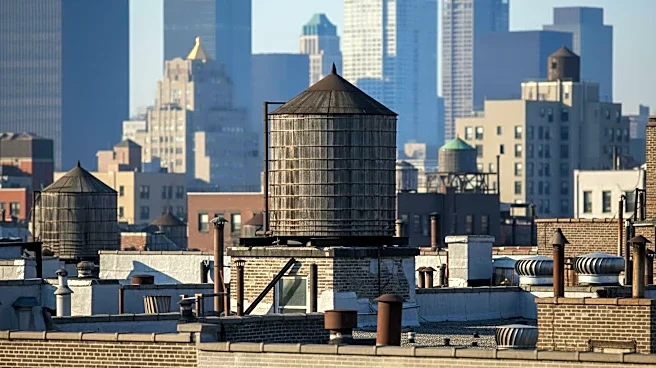
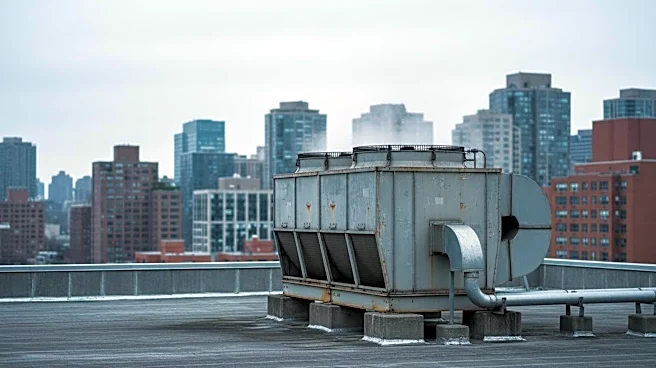
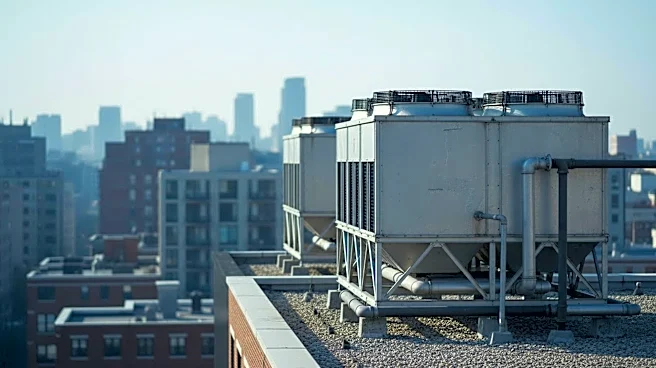
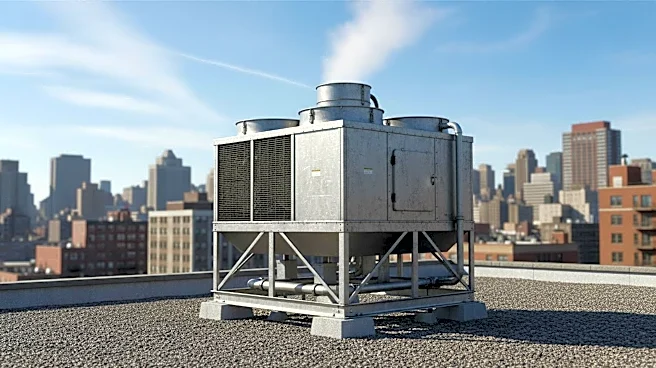
severe pneumonia when inhaled. Health officials have responded by sampling water from nearly 160 building cooling towers to identify the source of the bacteria. Dr. Alister Martin, the New York City health commissioner, emphasized the role of climate change in exacerbating the conditions for such outbreaks, noting that the city's climate is becoming more subtropical. The city has mandated the cleaning and disinfection of cooling towers in 19 buildings identified as 'buildings of interest.' Despite the rarity of the disease, with less than three cases per 100,000 people, it poses a significant health risk, with a mortality rate of up to 10% among those diagnosed.
Why It's Important?
The outbreak underscores the growing public health challenges posed by climate change, as warmer temperatures create favorable conditions for bacteria like Legionella. This situation highlights the need for improved infrastructure and maintenance to prevent such outbreaks, particularly in urban areas with aging systems. The disproportionate impact on marginalized communities, such as those living in poverty and Black Americans, raises concerns about environmental justice and the need for equitable health interventions. The outbreak also stresses the importance of public awareness and timely medical intervention to mitigate the disease's impact.
What's Next?
Health officials are conducting extensive tests to pinpoint the exact source of the outbreak, which may take up to a month. The investigation involves culturing water samples and comparing them with patient samples to identify the responsible building. Meanwhile, the city plans to release the names of buildings required to clean their cooling towers, although the specific source of the outbreak may remain unidentified. As climate change continues to influence environmental conditions, similar outbreaks could become more frequent, necessitating ongoing vigilance and adaptation in public health strategies.
Beyond the Headlines
The outbreak highlights broader implications of climate change on public health, particularly the need for cities to adapt to changing environmental conditions. It also raises questions about the adequacy of current infrastructure and maintenance practices in preventing such health crises. The situation calls for a reevaluation of public health policies to address the root causes of these outbreaks and ensure that vulnerable populations are protected. Additionally, it emphasizes the importance of interdisciplinary approaches, combining public health, environmental science, and urban planning to develop sustainable solutions.