







What's Happening?
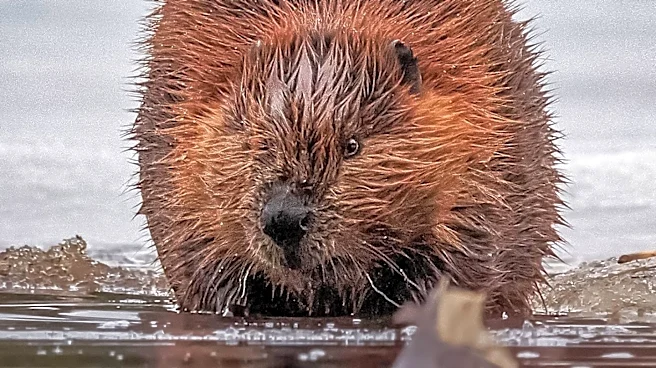
A 13-year-old boy was airlifted to Johns Hopkins Hospital after being bitten by a beaver at Cunningham Falls State Park in Frederick County, Maryland. The incident occurred in the William Houck Area near the lake's North Beach around 9:10 a.m. on a Sunday.
The boy sustained injuries to his hands and chest. In response, the Maryland Department of Natural Resources (DNR) closed the swimming beach to search for the beaver, which needs to be tested for rabies. One beaver has been located, but officials are continuing to search the area to ensure no other beavers are present and to confirm the captured animal's involvement in the attack. The Frederick County Health Department will coordinate rabies testing. Other areas of the park remain open to visitors.
Why It's Important?
The closure of the swimming beach at Cunningham Falls State Park highlights the potential risks of wildlife interactions in recreational areas. This incident underscores the importance of wildlife management and public safety measures in state parks. The response by the Maryland DNR and other agencies reflects the need for quick action to prevent further incidents and ensure public safety. The situation also raises awareness about the presence of rabies in wildlife, which can pose significant health risks to humans. The outcome of the rabies test will determine the next steps in managing the park's wildlife and ensuring visitor safety.
What's Next?
The swimming beach will remain closed until officials can confirm the safety of the area. The Maryland Park Service, along with the Natural Resources Police and the Wildlife and Heritage Service, will continue to monitor the situation and decide when it is safe to reopen the beach. The results of the rabies test will be crucial in determining the next steps. If the beaver tests positive for rabies, additional measures may be necessary to protect park visitors. The incident may also prompt a review of safety protocols and wildlife management practices in the park.