







What's Happening?
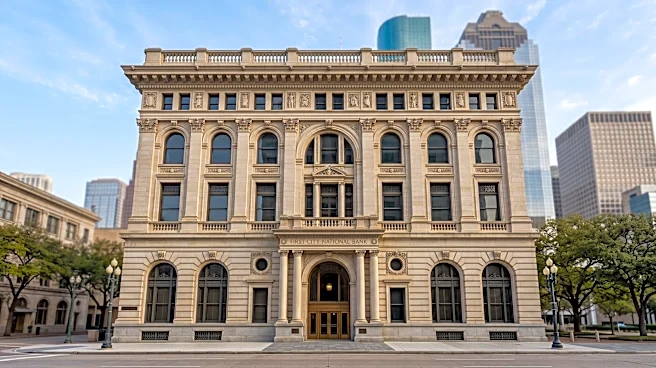
The Houston City Council is currently evaluating 11 distinct locations for potential landmark or protected landmark status. These properties encompass a variety of structures, including several churches, residential houses, and a downtown bank. Among
the proposed sites, six are situated in Southampton, a neighborhood whose historic character is highly valued by its residents. Kathleen Nuzzo, a Southampton resident, voiced her support for these designations during a public speaker session, emphasizing that the area's historic charm, tree canopy, and central location are key attractions. The full list of properties under consideration includes Trinity United Methodist Church, Berean Seventh-Day Adventist Church, the First City National Bank, and several private residences such as the Irene and George Robinson House and the Myer-Jones House. The First City National Bank is the sole proposed regular landmark on the list, with the others seeking protected landmark status.
Why It's Important?
The consideration of landmark status for these 11 Houston properties is significant for urban preservation and community identity. Granting landmark status would provide legal protection against demolition and inappropriate alterations, safeguarding the architectural and historical integrity of these sites. This initiative directly addresses concerns raised by residents like Kathleen Nuzzo, who noted a trend of 'teardowns' in neighborhoods such as Southampton, which erode the area's historical fabric despite existing deed restrictions. The loss of these structures means the irreversible loss of a piece of the neighborhood's history, which is a primary draw for many residents and visitors. By preserving these buildings, Houston aims to maintain its unique character, support cultural heritage, and potentially boost local tourism, while also setting a precedent for future urban development that balances progress with preservation.
What's Next?
The Houston City Council will continue its deliberations regarding the 11 proposed landmark designations. Following public input, such as the testimony provided by Southampton resident Kathleen Nuzzo, the council will proceed with further review and potentially vote on each property's status. If approved, these locations will receive either landmark or protected landmark designation, which will impose specific regulations on their future development and maintenance. This process will likely involve detailed assessments of each property's historical and architectural significance, as well as community impact studies. The outcome will determine the level of protection afforded to these sites, influencing future development patterns in their respective neighborhoods and potentially encouraging other communities to pursue similar preservation efforts.
Beyond the Headlines
The debate over landmark status in Houston highlights a broader national tension between urban development and historical preservation. As cities grow and evolve, the economic pressures for new construction often clash with the desire to retain the unique character and heritage embedded in older structures. This initiative in Houston underscores the ethical responsibility of urban planning to consider not just economic growth but also cultural continuity and community memory. The 'teardown' phenomenon, as described by residents, points to a systemic issue where existing protections may be insufficient against rapid redevelopment. Granting landmark status can serve as a powerful tool to legally enshrine the value of historical assets, fostering a sense of place and identity that can be lost in the pursuit of modernization. This decision could influence how other U.S. cities approach similar challenges, potentially leading to stronger preservation policies and a greater appreciation for architectural heritage.