




What's Happening?
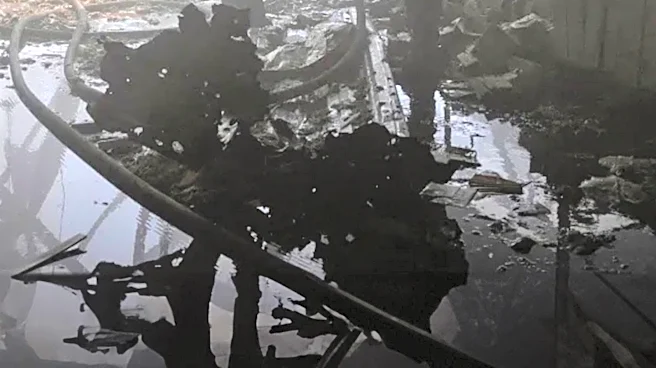
A building in Salt Lake City experienced a significant fire for the second time in a few months, with a large plume of smoke visible on Tuesday. The incident occurred around noon near 390 S. Orange Street in the Poplar Grove neighborhood. Details regarding
the cause of the fire or the extent of the damage were not immediately available. This repeated occurrence raises concerns about the building's safety and the potential impact on the surrounding community. Emergency services responded to the scene to manage the blaze and ensure public safety. The previous fire at the same location suggests a recurring issue, prompting questions about the property's condition and any underlying factors contributing to these incidents.
Why It's Important?
The repeated fires at the same Salt Lake City building are important due to the potential risks they pose to public safety, property, and the local community. Each fire incident requires significant resources from emergency services, diverting them from other potential emergencies. For residents in the Poplar Grove neighborhood, recurring fires can lead to concerns about air quality, property values, and overall safety. If the building is abandoned or derelict, it could attract illicit activities or become a hazard. The repeated nature of the incidents also suggests a need for investigation into potential causes, such as structural issues, electrical problems, or even arson, which could have broader implications for urban planning and safety regulations in the city. Understanding the root cause is crucial to prevent future occurrences and protect the community.
What's Next?
Authorities will likely conduct an investigation to determine the cause of this latest fire, especially given that it is the second incident at the same location within months. This investigation will aim to identify whether the fires are accidental, due to structural issues, or potentially intentional. Depending on the findings, there could be legal consequences for property owners if negligence is determined, or increased scrutiny on building codes and safety inspections for similar properties in Salt Lake City. The community will likely seek answers and assurances regarding their safety. Future actions could include demolition of the building if it is deemed unsafe, or stricter enforcement of property maintenance regulations to prevent further incidents and protect the surrounding neighborhood.
Beyond the Headlines
The recurring fires at the Salt Lake City building highlight deeper issues beyond immediate emergency response. It brings to light the challenges of urban decay, property abandonment, and the potential for such sites to become public hazards. Ethically, it raises questions about property owner responsibility and the city's role in ensuring the safety of its residents, particularly in older or neglected neighborhoods. The environmental impact of repeated fires, including air pollution and potential contamination, also presents a long-term concern. Culturally, such incidents can erode community trust and create a sense of insecurity among residents. Addressing these deeper implications requires a comprehensive approach involving urban planning, community engagement, and potentially policy changes to prevent similar situations in other areas.