




What's Happening?
Governor Kathy Hochul of New York is set to distribute rebate checks to over 8 million residents in September and October, just before the upcoming election. The checks, part of a $1 billion program approved in the state's $277 billion budget, aim to provide
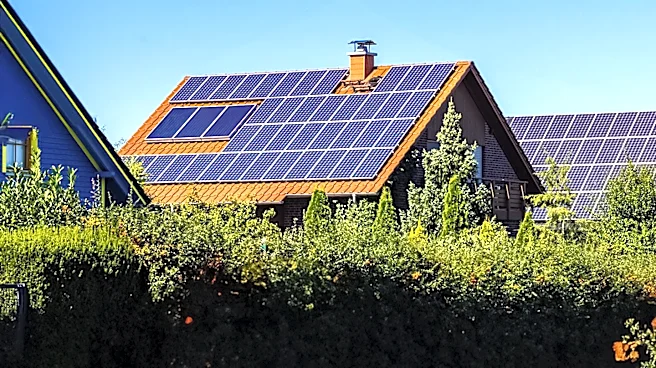
relief to taxpayers facing high utility bills. Eligible recipients include full-time residents with incomes up to $300,000 for married filers and $150,000 for single filers. The initiative has drawn criticism from Republicans and some progressive Democrats, who argue that the funds could be better allocated to bolster state reserves or address other pressing needs. Despite the criticism, the rebate checks are intended to alleviate financial burdens for New Yorkers, particularly those on fixed incomes.
Why It's Important?
The timing of the rebate checks has sparked debate about the intersection of fiscal policy and electoral politics. Critics argue that the distribution of checks close to an election may be perceived as a political maneuver to garner voter support. However, the program also highlights the challenges faced by many New Yorkers amid rising utility costs and economic pressures. The rebate checks could provide much-needed financial relief to residents struggling with high living expenses, particularly during periods of extreme weather. The initiative underscores the broader conversation about how state governments can effectively use surplus funds to support constituents.
What's Next?
As the rebate checks are distributed, political analysts and stakeholders will likely scrutinize the impact on voter sentiment and the upcoming election. The program may prompt discussions about the effectiveness of one-time financial relief measures versus long-term fiscal strategies. Additionally, the response from recipients and the broader public could influence future policy decisions regarding state budget allocations and economic relief efforts.