





What's Happening?
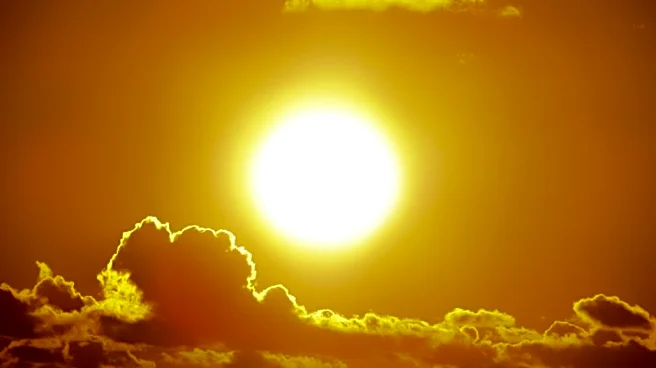
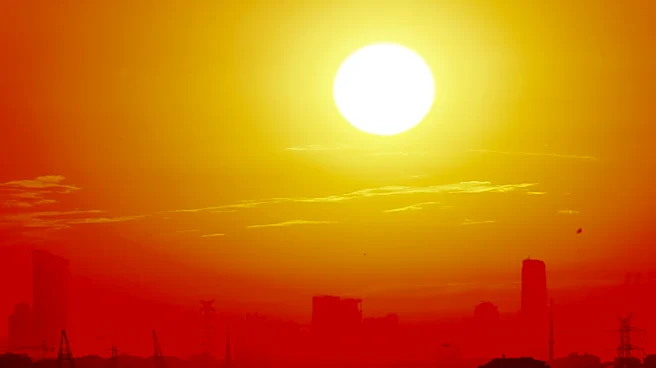
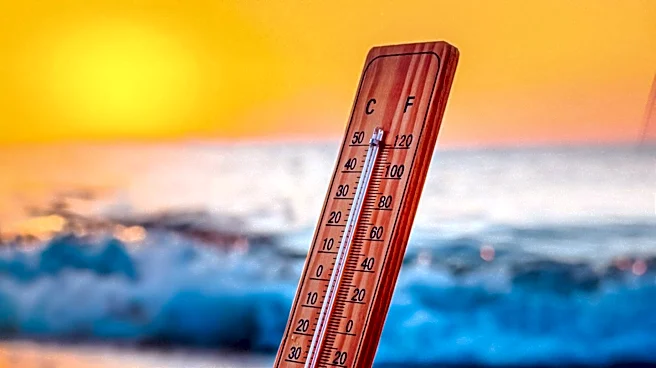
San Antonio is projected to experience its hottest stretch of the year, with forecasts indicating 7-10 consecutive days of temperatures at or above 100 degrees Fahrenheit. Meteorologists predict daily highs near 100 degrees throughout the upcoming week.
While morning humidity will remain high, afternoon conditions are expected to feature a 'dry heat,' meaning heat index values will not be excessively high despite the extreme temperatures. Additionally, the region is entering a period of shorter days, with sunset times approaching 8:00 p.m. by August 29th and falling below 7:00 p.m. by mid-October.
Why It's Important?
An extended period of extreme heat poses significant health risks to residents, particularly vulnerable populations such as the elderly, young children, and individuals with pre-existing health conditions. High temperatures can lead to heatstroke, dehydration, and other heat-related illnesses. This forecast also impacts daily life, affecting outdoor activities, work schedules for those in outdoor professions, and energy consumption as air conditioning use increases. The strain on the power grid could lead to concerns about energy reliability. For local authorities, it necessitates public health advisories and the activation of cooling centers to mitigate risks to the community.
What's Next?
Residents of San Antonio are advised to take precautions against the extreme heat, including staying hydrated, seeking air-conditioned environments, and limiting outdoor activities during peak heat hours. Local authorities and utility companies will likely monitor conditions closely, issuing public health warnings and ensuring the stability of the power grid. Cooling centers may be opened to provide relief for those without access to air conditioning. As the period of high temperatures continues, public awareness campaigns will likely emphasize safety measures to prevent heat-related emergencies. The shift to shorter days will also gradually bring cooler evenings, though daytime temperatures are expected to remain high for the foreseeable future.
Beyond the Headlines
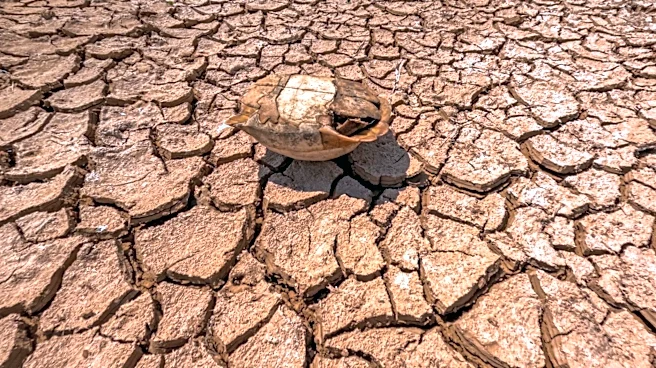
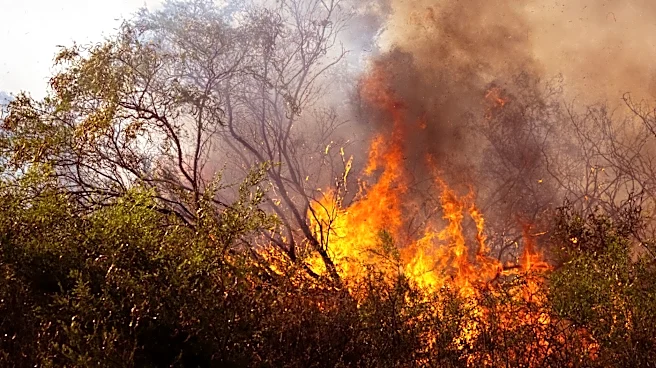
This prolonged heatwave in San Antonio is part of a broader pattern of increasing extreme weather events, which scientists often link to climate change. Such sustained high temperatures can have long-term environmental impacts, including increased drought conditions, stress on local ecosystems, and potential water shortages. Economically, it can affect agriculture, tourism, and outdoor industries. Socially, it exacerbates inequalities, as access to adequate cooling and resources to cope with heat varies significantly across different socioeconomic groups. The recurring nature of these heat events underscores the growing need for robust climate adaptation strategies, resilient infrastructure, and comprehensive public health preparedness plans in urban areas.