



What's Happening?
The Israeli Defense Forces (IDF) have reported that Hamas is using the current ceasefire to rearm and fortify its positions in Gaza. This comes as Israel prepares to withdraw forces under the second phase of a U.S.-brokered ceasefire agreement. Recent
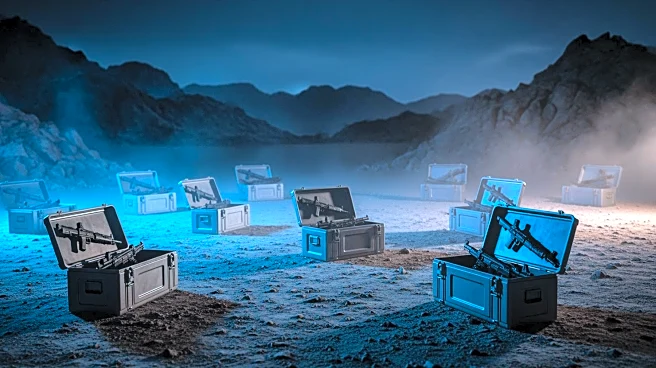
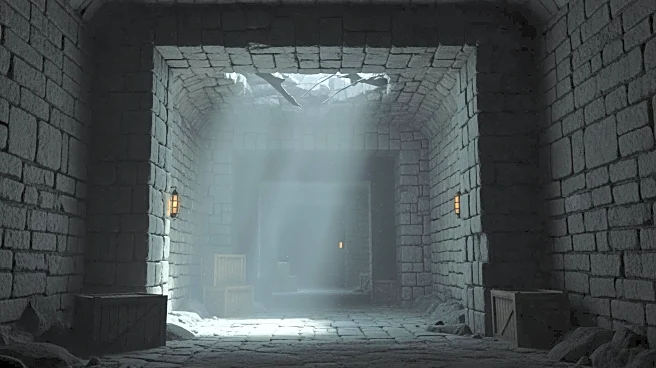
IDF operations uncovered underground chambers suspected to be tunnel shafts and ready-to-fire rocket launchers near Gaza City. In response, the IDF has conducted targeted airstrikes against Hamas' anti-tank and weapons production units. Military officials express concern that the ceasefire is allowing Hamas to strengthen its capabilities, with significant portions of weaponry concentrated in key zones. The situation remains tense as the IDF continues to monitor and respond to Hamas activities.
Why It's Important?
The ongoing military activities and the strategic use of the ceasefire by Hamas have significant implications for regional stability and security. The ability of Hamas to rearm and entrench itself poses a direct threat to Israel and could undermine the ceasefire agreement. This situation highlights the challenges of maintaining peace in the region and the complexities involved in negotiating and enforcing ceasefire agreements. The IDF's actions and the political dynamics within Israel regarding the handling of the conflict could influence future military and diplomatic strategies in the region.
What's Next?
As the ceasefire agreement progresses, Israel's military and political leaders will need to address the challenges posed by Hamas' rearmament. The IDF may need to adjust its strategies to effectively counter Hamas' activities while adhering to the ceasefire terms. Additionally, the political discourse in Israel regarding the government's handling of the conflict could lead to changes in leadership or policy approaches. The international community, particularly the U.S., may also play a role in facilitating further negotiations or adjustments to the ceasefire agreement to ensure long-term stability.