






What's Happening?
Israel has dispatched a specialized team to Venezuela in response to the devastating earthquakes that struck the country on June 24. The Israeli delegation, led by Brigadier General Elad Edri, consists of 30 members from the IDF and other organizations.
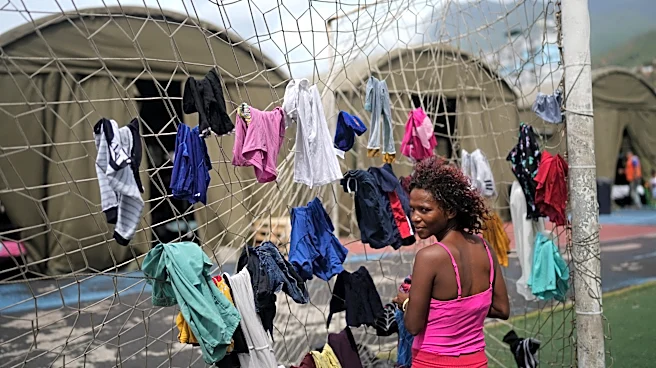
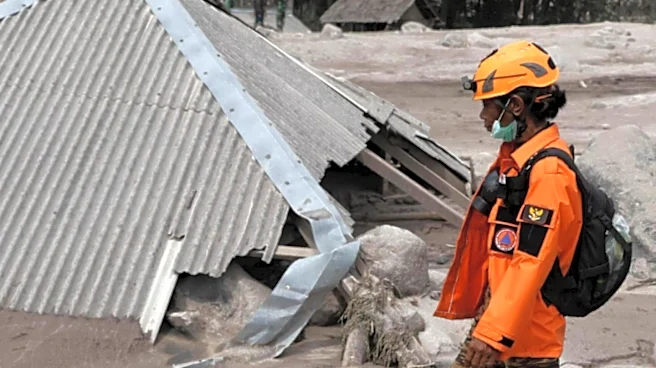
Their mission is to conduct engineering assessments of approximately 1,300 damaged buildings, determining which structures can be salvaged and which need demolition. The team is also advising on debris management and proposing a multi-year reconstruction plan. This aid effort was facilitated by Venezuela's Jewish community, allowing for collaboration with the Israeli government. The earthquakes have resulted in 3,535 fatalities, 16,740 injuries, and left 17,854 people homeless.
Why It's Important?
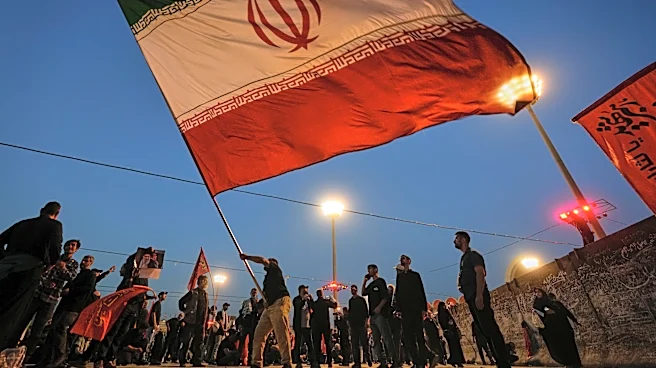
This humanitarian mission underscores Israel's commitment to providing aid irrespective of diplomatic relations. Despite past tensions and Venezuela's historical hostility towards Israel, the Israeli government has prioritized humanitarian assistance over political differences. This action highlights Israel's capacity to extend help based on humanitarian needs rather than political alliances. The aid effort not only provides immediate relief to the affected Venezuelan population but also showcases Israel's technical expertise and moral responsibility in international disaster response. It reflects Israel's broader strategy of using humanitarian aid as a tool for soft diplomacy, potentially influencing perceptions and fostering goodwill.
What's Next?
While the immediate focus is on disaster relief and recovery, the long-term implications of Israel's involvement in Venezuela could influence future diplomatic relations. Although Venezuela's current leadership under Nicolás Maduro has maintained a critical stance towards Israel, the visible presence of Israeli aid workers may alter public perception and open avenues for dialogue. The reconstruction efforts led by Israeli experts could serve as a foundation for rebuilding not only infrastructure but also bilateral relations. However, significant political shifts would be required for any substantial change in diplomatic ties.
Beyond the Headlines
Israel's decision to assist Venezuela, despite the latter's past antagonism, raises questions about the role of humanitarian aid in international relations. It challenges the notion that aid is purely altruistic, suggesting it can also be a strategic tool for reshaping geopolitical landscapes. This approach may set a precedent for other nations, encouraging them to engage in similar acts of diplomacy through aid. Additionally, it highlights the ethical considerations of providing assistance to countries with contentious political histories, emphasizing the universal value of humanitarianism over political discord.