






What's Happening?
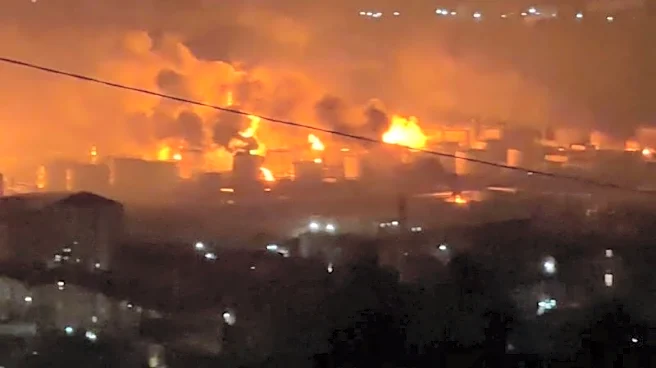
Russia's oil production has reportedly decreased by up to 400,000 barrels per day as a result of Ukrainian drone strikes, according to informed sources. This reduction highlights the effectiveness of Ukraine's strategy, as Russia's military budget heavily
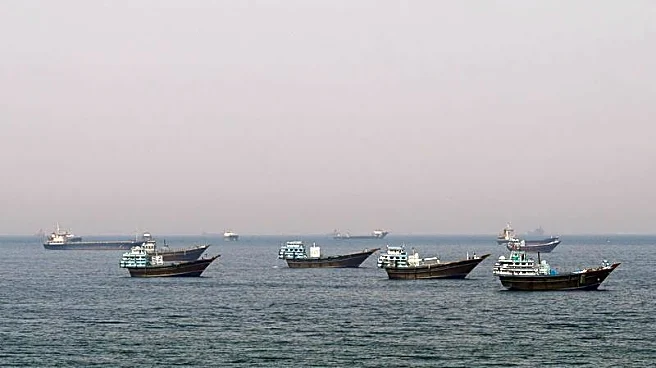
relies on oil revenue. The strikes have targeted key Russian ports and refineries, complicating the country's ability to export oil. The decline in production is expected to persist for several months, exacerbated by upcoming maintenance shutdowns. The situation has led to a significant drop in export volumes at Russia's Baltic ports and the Black Sea, further straining the country's energy sector.
Why It's Important?
The reduction in Russian oil output has significant implications for the global energy market and Russia's economy. As oil revenue is a critical component of Russia's military funding, the decrease could impact its financial capacity to sustain military operations. Additionally, the disruption in oil exports may lead to increased volatility in global oil prices, affecting energy markets worldwide. The situation also underscores the strategic importance of energy infrastructure in geopolitical conflicts, as Ukraine's actions have directly targeted Russia's economic lifeline.
What's Next?
If Ukrainian drone strikes continue, Russia may face further challenges in maintaining its oil production levels. This could lead to more well shut-ins, which can degrade the productive capacity of oil wells over time. The ongoing conflict and its impact on energy infrastructure may prompt Russia to seek alternative export routes or increase domestic consumption to mitigate losses. The international community will likely monitor the situation closely, as prolonged disruptions could have broader economic and political ramifications.