




What's Happening?
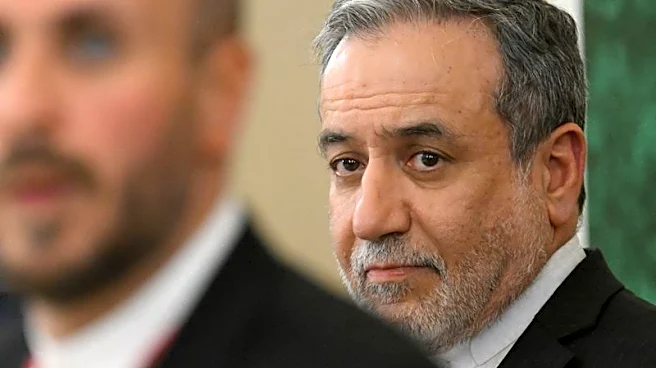
Pakistan's embassy in Tehran has categorically denied social media reports claiming its ambassador to Iran, Imran Ahmed Siddiqui, was attacked. The embassy issued a statement on X, labeling the circulating reports as 'baseless and factually incorrect.'
These rumors were fueled by a video shared on social media depicting a commotion and physical altercations among a large crowd in an unidentified building. The post accompanying the video alleged that Ambassador Siddiqui was attacked at an event in Tehran and subsequently taken to a hospital for treatment. However, the embassy's official statement directly refutes these claims. Ambassador Siddiqui, who assumed his current role in February, has not commented on the rumors via his personal X account. This incident follows a similar refutation last month by Pakistan's information ministry regarding false reports of an attack on its envoy in London.
Why It's Important?
The swift denial by the Pakistani embassy highlights the growing challenge of misinformation and disinformation spreading rapidly through social media platforms. Such unsubstantiated reports, especially concerning diplomatic personnel, can have significant implications for international relations and public perception. False claims of attacks on ambassadors can strain bilateral ties, create unnecessary diplomatic tensions, and potentially incite public unrest. For Pakistan, maintaining stable diplomatic relations with Iran is crucial given their shared border and regional dynamics. The need for official channels to promptly address and correct such misinformation is paramount to prevent escalation and preserve diplomatic integrity. This event underscores the broader issue of verifying information in the digital age, particularly when it pertains to sensitive international matters.
What's Next?
While the embassy has issued a clear denial, the persistence of such rumors on social media may require continued monitoring and communication from Pakistani diplomatic missions. The incident could prompt further internal discussions within diplomatic circles regarding strategies to combat the rapid spread of false information. It also serves as a reminder for the public and media outlets to exercise caution and verify information from official sources before disseminating it. Future diplomatic engagements may see heightened awareness regarding potential misinformation campaigns. The focus will likely remain on maintaining the integrity of diplomatic communications and ensuring accurate reporting of events involving international representatives.
Beyond the Headlines
This incident reflects a broader trend where social media platforms are increasingly used to spread unverified information, sometimes with malicious intent. The speed and reach of these platforms mean that false narratives can quickly gain traction, making it difficult for official bodies to control the narrative. For diplomatic entities, this presents a significant challenge in managing public perception and maintaining trust. The incident also touches upon the vulnerability of public figures, including ambassadors, to online hoaxes and targeted disinformation campaigns. It underscores the need for robust digital communication strategies and proactive engagement from diplomatic missions to counter such threats effectively and protect their personnel and national interests from the adverse effects of misinformation.