





What's Happening?
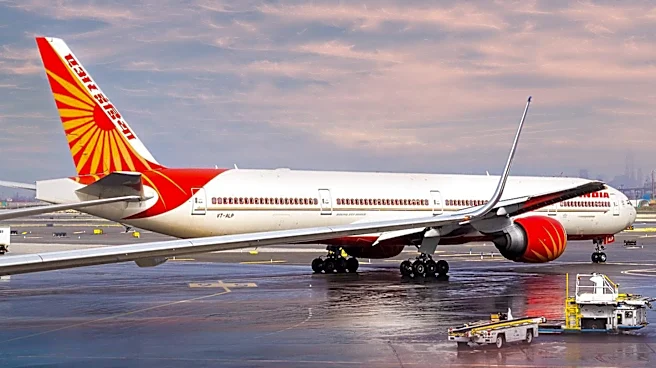
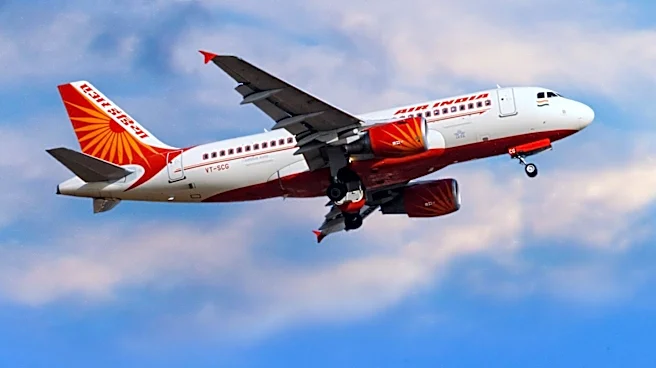
An Air India staffer has been suspended after three Italian nationals bypassed mandatory departure immigration clearance at Delhi airport and boarded a flight to Munich. The incident occurred when the Italian passengers, arriving from Amritsar on an Air India flight,
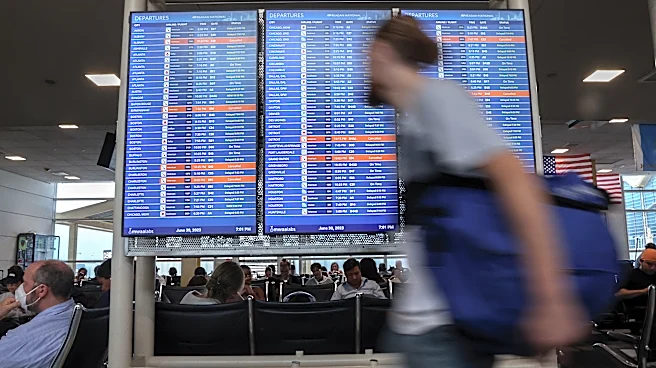
were incorrectly escorted to the International-to-International (I2I) transfer area instead of the designated arrival route for immigration processing. Civil Aviation Minister K Ram Mohan Naidu confirmed the suspension, stating that the Air India personnel responsible for escorting passengers failed to follow prescribed procedures. The Ministry of Civil Aviation had previously issued a show-cause notice to Air India regarding this security and immigration lapse, seeking explanations on how boarding passes were issued, why passengers were allowed into the international transfer area, and why the lapse went undetected. The incident took place in the early hours of September 4, when the passengers boarded Lufthansa flight LH-763 to Munich without completing the necessary immigration formalities.
Why It's Important?
This incident highlights significant vulnerabilities in airport security and immigration protocols, particularly concerning international transfers. The failure of an Air India staffer to adhere to established procedures allowed foreign nationals to exit the country without proper clearance, raising concerns about national security and border control effectiveness. Such lapses can be exploited for illicit activities, including illegal immigration or more severe security threats. The event also underscores the importance of rigorous training and oversight for airline ground staff, as their actions directly impact the integrity of immigration processes. For Air India, the suspension and the subsequent government review indicate potential reputational damage and increased scrutiny from regulatory bodies, which could lead to stricter operational mandates and financial penalties. The incident also brings into question the efficacy of existing multi-layered security mechanisms at major international airports.
What's Next?
Following the incident, the government has implemented strengthened checks at transfer points and introduced additional safeguards as part of a multi-layered security mechanism to prevent similar occurrences. These measures include closer scrutiny of passenger segregation, boarding-pass procedures, and transfer routes to ensure the separation of domestic and international passenger flows at connecting airports. Air India CEO Campbell Wilson was also asked to explain the alleged procedural violations. The Home Ministry has reviewed the matter with officials from the Civil Aviation Ministry, Bureau of Immigration, Intelligence Bureau, Air India, and Delhi airport. Further investigations may lead to more personnel-level actions or systemic changes in airport operations and airline protocols to enhance security and immigration compliance. Passengers can expect more stringent checks and potentially longer processing times at transfer points as these new safeguards are fully integrated.
Beyond the Headlines
The lapse at Delhi airport extends beyond a simple procedural error, touching upon the broader implications of international travel security in an interconnected world. The incident reveals potential weaknesses in the 'hub-and-spoke' model when not meticulously executed, especially for passengers connecting from domestic to international flights. While Air India and Lufthansa have an interline partnership, it did not exempt these passengers from mandatory immigration, emphasizing that such agreements do not override national security requirements. The event could prompt a re-evaluation of how airlines and airport authorities collaborate to ensure seamless yet secure passenger transitions, particularly for those arriving from domestic sectors and departing internationally. This incident serves as a critical reminder that even minor deviations from established protocols can have significant security ramifications, necessitating continuous vigilance and adaptation of security measures in the dynamic aviation landscape.