





What's Happening?
Modern home security systems have evolved to provide extensive protection for homeowners, extending beyond traditional burglar deterrence. These systems now address three primary categories of hazards: physical intrusion, perimeter property crimes, and
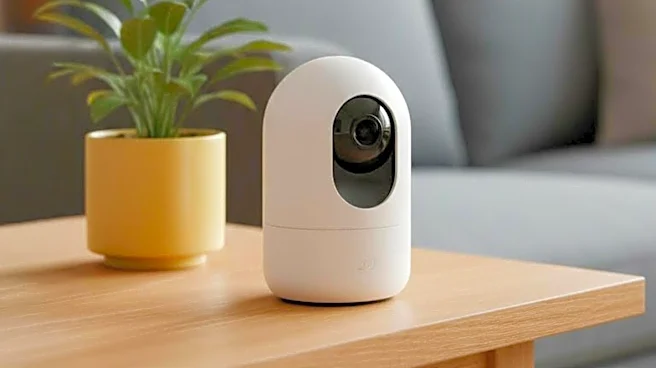
catastrophic environmental disasters. For physical intrusion, systems utilize door and window perimeter sensors, interior motion detectors, glass-break sensors, and two-way voice verification. To combat yard trespassing and porch piracy, contemporary camera systems, such as Vivint's Outdoor Camera Pro, employ intelligent video analytics to actively detect and deter loiterers with LED warnings and audible chimes. Crucially, these systems also integrate environmental sensors to protect against water leaks, freezing pipes, and fires, which often cause more significant financial damage than burglaries. Flood, moisture, and freeze detectors, along with monitored smoke and carbon monoxide alarms, ensure that emergency services are dispatched even when homeowners are away or incapacitated. Companies like Cove, ADT, and Vivint offer various solutions, from DIY setups to professionally installed, smart-home integrated systems.
Why It's Important?
The expanded capabilities of home security systems are significant for U.S. homeowners as they offer a more holistic approach to property protection and risk mitigation. By addressing environmental hazards like water damage and freezing pipes, these systems can prevent tens of thousands of dollars in repair costs and insurance deductibles, which often exceed losses from burglaries. This comprehensive coverage provides peace of mind and tangible financial benefits. Furthermore, the active deterrence features of advanced camera systems can reduce common property crimes like package theft and vehicle break-ins, which are prevalent concerns for many communities. The availability of diverse options, from affordable DIY systems to high-end professional installations, makes advanced security accessible to a broader range of homeowners, allowing them to choose solutions that fit their budget and specific needs. Insurance discounts offered for monitored systems also provide a direct financial incentive, offsetting the cost of security subscriptions.
What's Next?
The home security market is expected to continue its evolution with further integration of AI and smart-home technologies. Future developments may include more sophisticated predictive analytics to anticipate potential threats, enhanced interoperability between various smart devices, and more personalized security solutions tailored to individual household patterns. Homeowners will likely see continued advancements in sensor technology, making detection more precise and reducing false alarms. The trend towards contract-free and DIY options is also likely to grow, offering greater flexibility and affordability. As technology advances, the focus will remain on creating seamless, user-friendly systems that provide robust protection against an ever-widening array of potential threats, both criminal and environmental. Consumers should anticipate more competitive pricing and innovative features as companies vie for market share in this expanding sector.
Beyond the Headlines
The evolution of home security systems reflects a broader societal shift towards proactive risk management and the increasing reliance on technology for personal and property safety. Beyond the immediate benefits of deterring crime and preventing damage, these systems contribute to a sense of security and well-being, which can have psychological benefits for homeowners. The integration of smart-home features also points to a future where homes are not just secure but also intelligent and responsive to occupants' needs and environmental conditions. This convergence of security, automation, and environmental monitoring raises questions about data privacy and the ethical use of surveillance technologies, particularly with AI-powered cameras. As these systems become more sophisticated, the balance between convenience, security, and privacy will be an ongoing discussion, shaping future regulations and consumer expectations in the smart home ecosystem.