







What's Happening?
China's economy experienced its slowest growth since 2022, with GDP expanding by 4.3% in the second quarter of 2026. This figure fell short of the 4.5% growth forecasted by economists and was below Beijing's target range of 4.5% to 5%. The slowdown is attributed
to declining urban fixed-asset investment, which dropped by 5.7% in the first half of the year, and sluggish domestic demand. The economic strain is exacerbated by ongoing trade tensions with the U.S. and the European Union. Despite a rebound in retail sales and industrial output in June, the overall economic outlook remains challenging, prompting calls for increased policy stimulus.
Why It's Important?
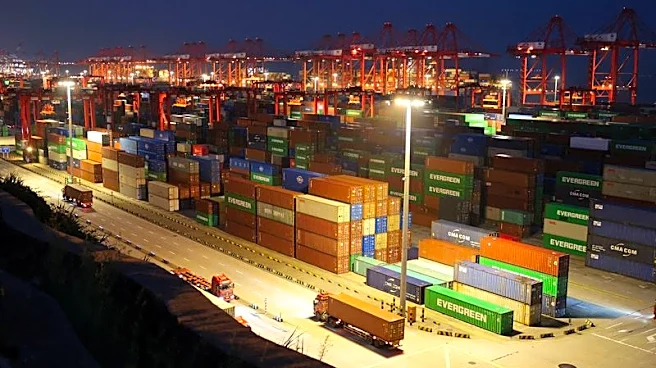
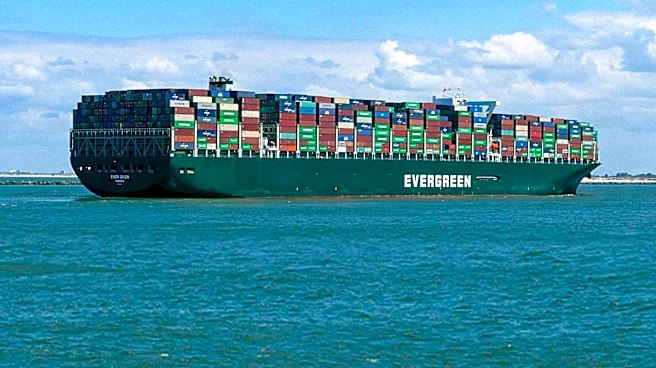
The slowdown in China's GDP growth has significant implications for global economic stability, particularly given China's role as a major trade partner and economic powerhouse. The reliance on exports amid global trade tensions and the Iran conflict could further strain international relations and economic conditions. The decline in investment and domestic demand highlights vulnerabilities in China's economic structure, potentially affecting global supply chains and trade dynamics. The situation underscores the need for strategic policy interventions to stabilize growth and maintain economic balance.
What's Next?
Economists anticipate that China may implement additional stimulus measures in the third quarter to counteract the economic slowdown. This could include policy rate cuts to stimulate investment demand. The focus is likely to be on boosting infrastructure investment to stabilize growth. However, the effectiveness of these measures will depend on the broader geopolitical landscape and China's ability to navigate trade tensions and domestic economic challenges.