







What's Happening?
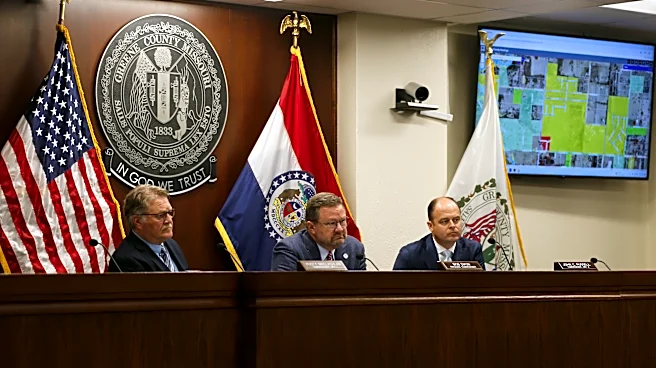
A state task force in Missouri, established by Governor Mike Kehoe, held a five-hour meeting to begin developing clearer, common standards for determining child safety. These standards are intended for use by various entities involved in child welfare,
including abuse and neglect investigators, courts, and juvenile officers across the state. The Missouri Child Welfare Task Force was formed via executive order on August 25, shortly before a legislative hearing addressing issues such as foster care deaths, high staff turnover, and increasing backlogs in the Missouri Children’s Division. The task force's mandate includes proposing a statewide definition of child safety, identifying inconsistencies in existing laws and policies, and creating processes to implement these new definitions. The group is utilizing a 2009 child safety guide from the American Bar Association and the division's existing Structured Decision Making tools to guide their discussions. They have agreed to focus on three key factors: threats to safety, children's vulnerability, and parents' capacity to mitigate threats. The task force faces a November 15 deadline to recommend legislation.
Why It's Important?
The initiative to standardize child safety definitions in Missouri is crucial for several reasons. Clearer guidelines could reduce the burden on frontline child welfare workers, who currently make complex decisions often in isolation, contributing to high turnover rates. Children’s Division Director Sara Smith noted a 40% turnover among frontline staff, with a peak of 55% in fiscal year 2022 following job cuts. This instability impacts the effectiveness of child protection services. Standardized criteria could also improve consistency in decision-making across the state, ensuring more equitable and effective interventions for children at risk. Furthermore, the task force aims to enhance interagency cooperation, as current practices often see different entities like the Children's Division and juvenile offices operating in isolation. Addressing these systemic issues is vital for the well-being of vulnerable children and the efficiency of the state's child welfare system.
What's Next?
The Missouri Child Welfare Task Force is scheduled to recommend legislation by November 15. Their immediate next steps involve continuing to refine the definitions of child safety, vulnerability, and parental capacity, and exploring how to implement these definitions effectively. The task force will also need to address the persistent challenges of workforce shortages and gaps in family services, which members identified as significant obstacles to ensuring child safety. Discussions will likely include developing training modules for shared use by various child welfare professionals and considering legal changes to allow courts to more explicitly order preventative services aimed at keeping children safely in their homes. The success of these recommendations will depend on legislative action and the ability to overcome the underlying issues of staffing and service availability.
Beyond the Headlines
Beyond the immediate goal of clearer standards, this initiative highlights deeper systemic issues within child welfare. The high turnover rates among frontline workers underscore a critical need for better support, training, and manageable caseloads to prevent burnout and retain experienced staff. The discussion about interagency cooperation points to a broader challenge in complex social service systems, where fragmentation can hinder effective intervention. Moreover, the emphasis on preventative services and the ability of courts to order them touches upon the philosophy of child protection—shifting from reactive removal to proactive family support. If successful, this effort could serve as a model for other states grappling with similar challenges, potentially leading to a more holistic and preventative approach to child welfare that prioritizes keeping families together safely, rather than relying solely on removal as a last resort.