



What's Happening?
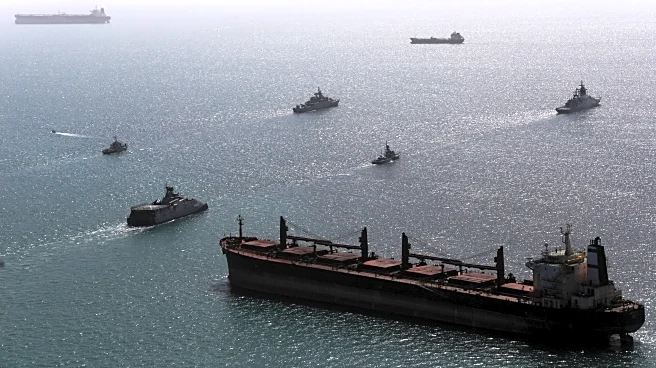
In February 2026, tensions between the U.S. and Iran have escalated as President Trump considers a military strike to force Iran into a deal regarding its nuclear program, missile arsenal, and support for paramilitary groups like Hezbollah. Despite some
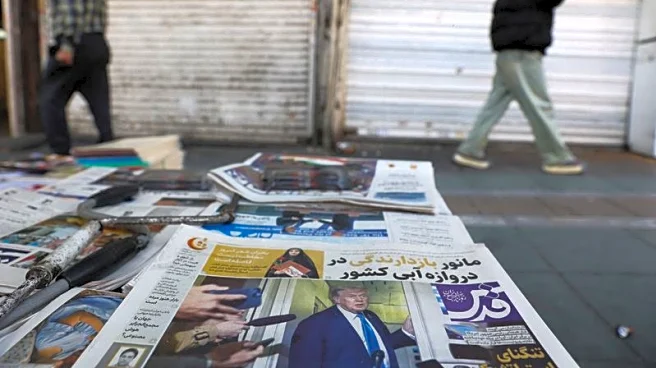
progress in diplomatic negotiations, significant gaps remain. The Pentagon is preparing for a potential prolonged conflict, with advanced military plans that include targeted strikes and possible regime change efforts. The Iranian public, already exhausted by government crackdowns and economic hardships, faces the prospect of another war with mixed emotions ranging from anger to anticipation.
Why It's Important?
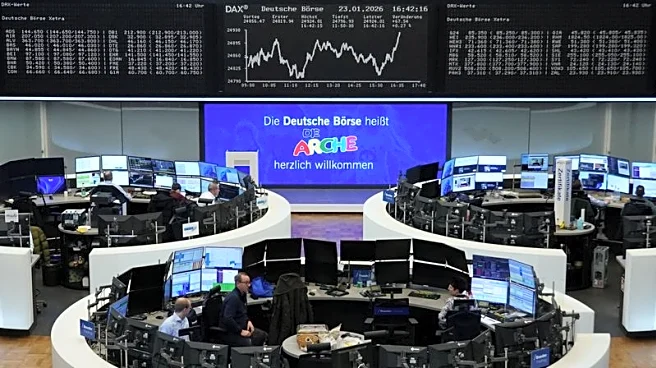
The potential military action by the U.S. could have significant implications for international relations and regional stability in the Middle East. A military strike could lead to a broader conflict, affecting global oil markets and international security. The U.S. military buildup in the region signals a serious commitment to addressing perceived threats from Iran, which could lead to increased tensions with other global powers involved in the region. The situation also highlights the ongoing challenges in U.S.-Iran relations and the complexities of negotiating nuclear agreements.
What's Next?
If President Trump decides to proceed with military action, it could lead to a significant escalation in the region, potentially involving other countries. The U.S. and Iran may continue diplomatic efforts to reach a resolution, but the window for negotiation appears to be narrowing. The international community will likely monitor the situation closely, with potential responses from allies and adversaries shaping the geopolitical landscape.