



What's Happening?
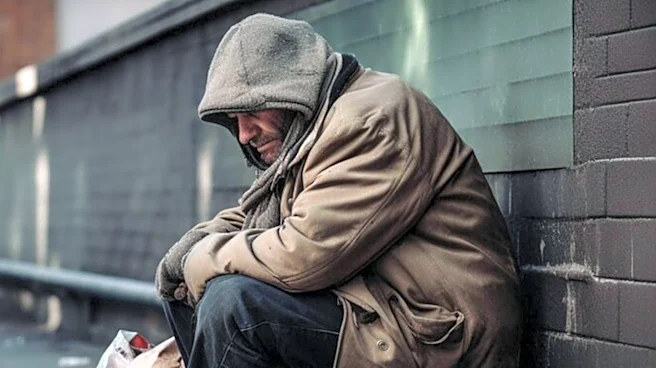
Older adults are particularly vulnerable to several health risks during the winter months, including carbon monoxide poisoning, hypothermia, frostbite, influenza, and falls. Carbon monoxide incidents spike in winter due to increased use of heating appliances.
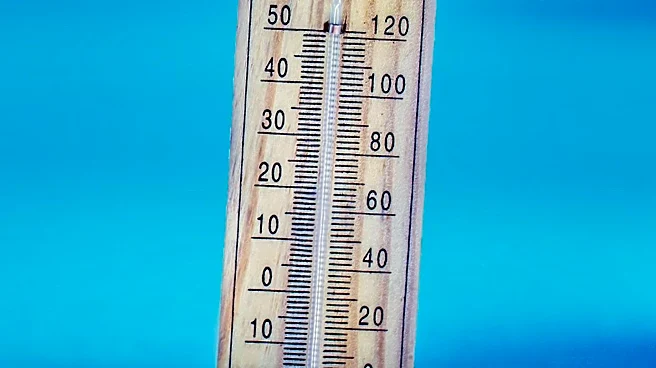
Hypothermia, where body temperature drops below 96 degrees, is a significant concern for seniors whose bodies lose heat more quickly and who may have underlying conditions like diabetes or thyroid problems. Frostbite, damage to skin from cold exposure, also poses a higher risk for seniors with poor circulation or certain medications. Influenza can lead to severe complications in those aged 65 and over, accounting for a high percentage of hospitalizations and deaths. Falls, often caused by icy conditions or reduced mobility, are a leading cause of serious injuries among older adults.
Why It's Important?
The heightened vulnerability of seniors during winter has significant public health implications, potentially leading to increased emergency room visits, hospitalizations, and fatalities. Addressing these risks is crucial for protecting a growing demographic and reducing the strain on healthcare systems. Proactive measures, such as installing carbon monoxide detectors, ensuring proper home heating, promoting flu vaccinations, and implementing fall prevention strategies, can save lives and improve the quality of life for older adults. The economic impact includes healthcare costs associated with treating cold-related injuries and illnesses, as well as the societal cost of reduced independence and well-being for seniors.
What's Next?
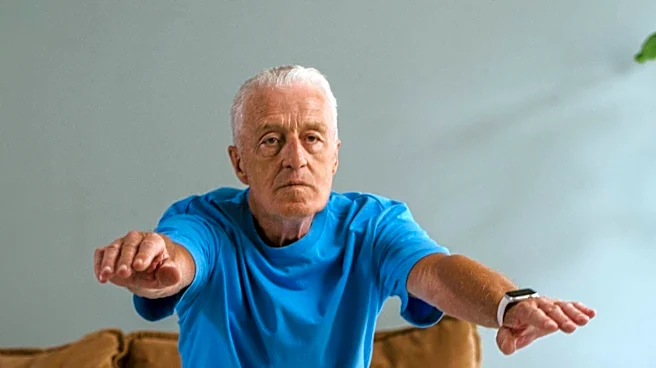
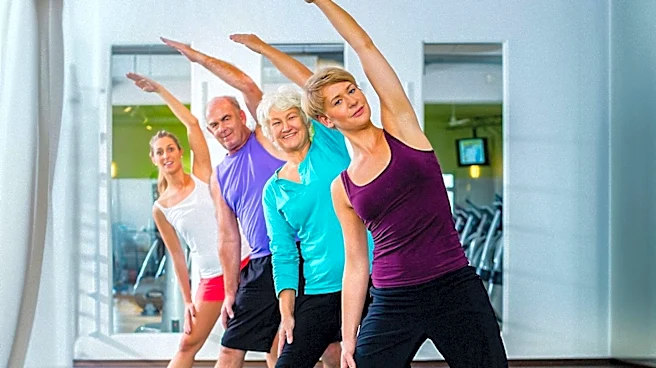
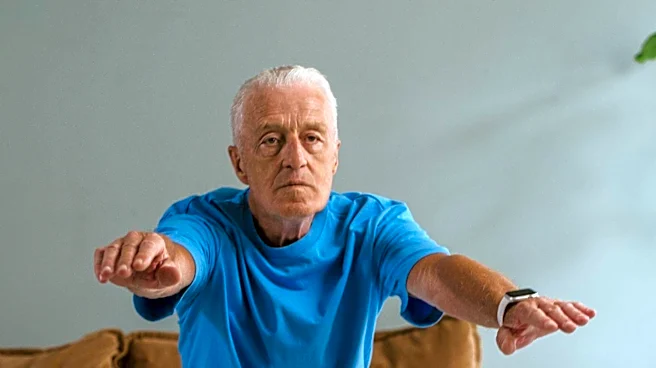
Public health campaigns and community organizations will continue to disseminate winter safety tips specifically tailored for seniors. These efforts will likely focus on encouraging flu vaccinations, ensuring homes are adequately heated and carbon monoxide-free, and promoting safe outdoor practices like wearing appropriate footwear and clearing walkways. Healthcare providers will play a key role in assessing individual risks for hypothermia and falls, and recommending specific interventions. There will also be an ongoing emphasis on maintaining physical activity indoors to prevent muscle weakness and improve balance, which are critical for fall prevention. Educational initiatives will also highlight the importance of dressing in layers and staying dry when outdoors.
Beyond the Headlines
The challenges faced by seniors in winter underscore broader societal issues related to aging infrastructure, access to healthcare, and community support networks. The increased risks highlight the need for age-friendly communities that consider environmental factors in urban planning and housing design. It also brings to light the importance of social connections, as isolated seniors may be less likely to receive timely assistance or adhere to safety guidelines. The emphasis on preventive care, such as flu shots and home safety checks, reflects a shift towards proactive health management rather than reactive treatment, which is essential for a rapidly aging population. This situation also prompts a discussion on the role of caregivers and family members in ensuring the safety and well-being of older adults during hazardous weather conditions.