







What's Happening?
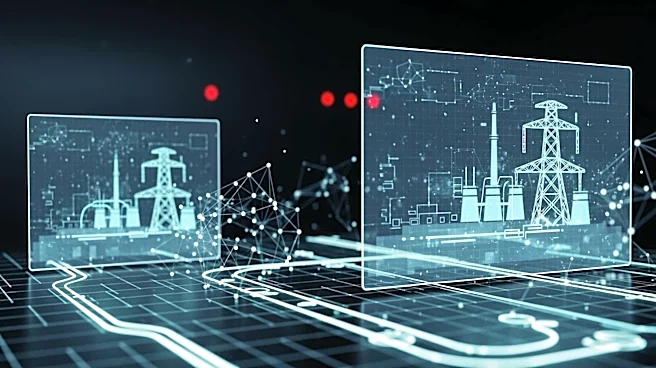
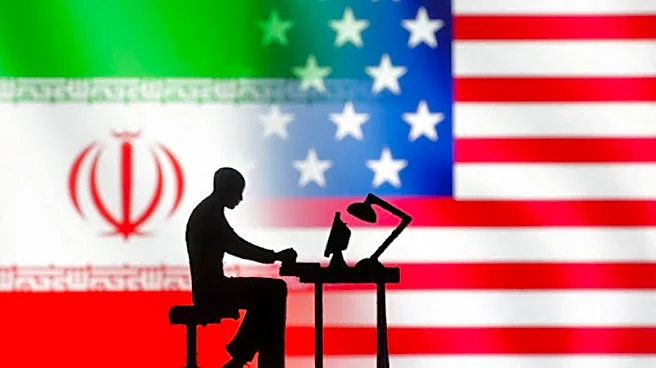
On April 7, 2026, several U.S. government agencies issued a joint warning about Iranian-backed hacker groups escalating their tactics to sabotage critical U.S. infrastructure systems. The primary targets include sectors essential to daily life, such as water
supply, wastewater treatment plants, energy facilities, and local government facilities. These attacks exploit vulnerabilities in Programmable Logic Controllers (PLCs) and SCADA systems, particularly those from Rockwell Automation/Allen-Bradley. The Iranian government-backed group 'Handala' has been identified as a key perpetrator, having infiltrated networks of major companies like Stryker to erase data remotely. The hackers are reportedly using legitimate engineering software to gain access and have installed SSH software to maintain remote control.
Why It's Important?
The escalation of cyberattacks on critical infrastructure poses significant risks to public safety and national security. These sectors are vital for the functioning of society, and disruptions could lead to severe consequences, including water shortages, power outages, and compromised public services. The attacks are seen as retaliatory measures following geopolitical tensions involving the U.S., Israel, and Iran. This situation underscores the need for robust cybersecurity measures and highlights vulnerabilities in industrial control systems. The potential impact extends to economic stability, as disruptions in these sectors could affect businesses and consumers alike.
What's Next?
U.S. authorities are urging organizations to take immediate action to mitigate further damage. Recommendations include disconnecting PLCs from the public internet, using VPNs or jump hosts for remote access, and implementing multi-factor authentication. Manufacturers are also being called upon to adopt a 'secure by design' approach, ensuring products are secure from the outset and do not expose management interfaces to the internet. Continuous monitoring by operational organizations is essential to protect critical infrastructure. The situation may prompt further regulatory measures and increased collaboration between government and private sectors to enhance cybersecurity defenses.