


What's Happening?
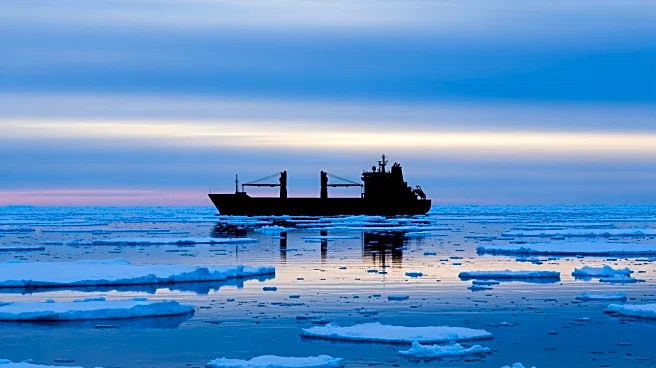
In 2025, the number of ships operating in the Arctic reached a record high, with 1,812 unique vessels entering the Arctic Polar Code area, marking a 40% increase since 2013. This surge in shipping activity coincides with a significant reduction in Arctic sea
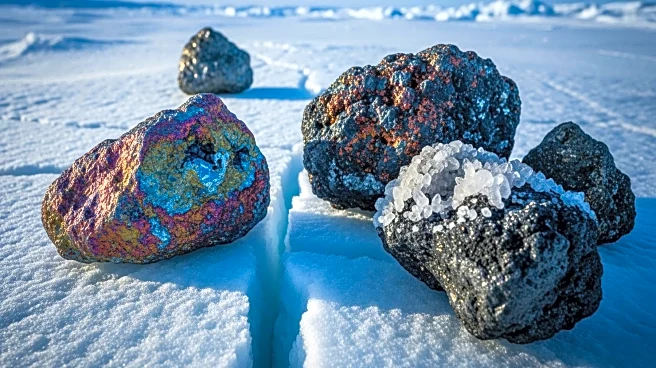
ice, which has facilitated increased maritime traffic. The Arctic Council Working Group on the Protection of the Arctic Marine Environment (PAME) has been monitoring these trends through its Arctic Ship Traffic Data (ASTD) System. The distance sailed by ships in the Arctic Polar Code Area also saw a 95% increase, from 6.1 million to 11.9 million nautical miles over the same period. The rise in shipping is largely attributed to natural resource extraction projects like the Mary River Mine in Nunavut and the Yamal Gas project, which have led to a significant increase in bulk carriers and gas tankers. Additionally, Arctic cruise tourism has grown, contributing to the higher number of vessels in the region.
Why It's Important?
The increase in Arctic shipping has significant implications for global trade and environmental policy. As sea ice continues to diminish, new shipping routes are opening, potentially reducing travel time and costs for international shipping. However, this also raises environmental concerns, as increased maritime traffic could lead to higher risks of oil spills and other ecological disturbances in the fragile Arctic ecosystem. The rise in shipping activity underscores the need for robust international regulations to manage the environmental impact and ensure the safety of these new routes. Economically, countries involved in Arctic resource extraction stand to benefit from the increased accessibility, but this also poses challenges in balancing economic interests with environmental preservation.
What's Next?
As Arctic shipping continues to grow, international bodies and governments will likely focus on developing comprehensive policies to regulate maritime activity in the region. This may include stricter environmental standards and enhanced monitoring systems to mitigate the risks associated with increased shipping. Additionally, there may be increased geopolitical interest in the Arctic, as countries seek to secure their interests in the region's resources and shipping lanes. The ongoing changes in the Arctic environment will require adaptive strategies to address both the opportunities and challenges presented by the evolving landscape.