





What's Happening?
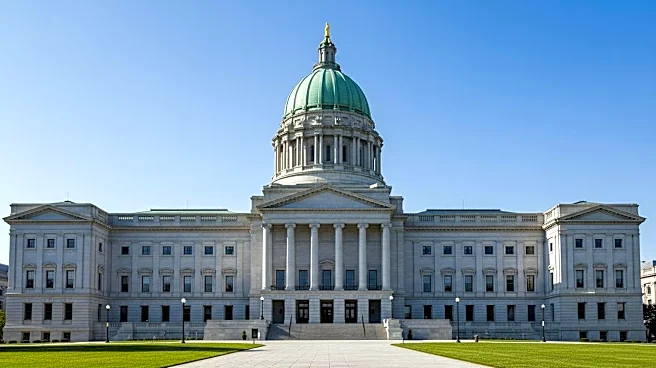
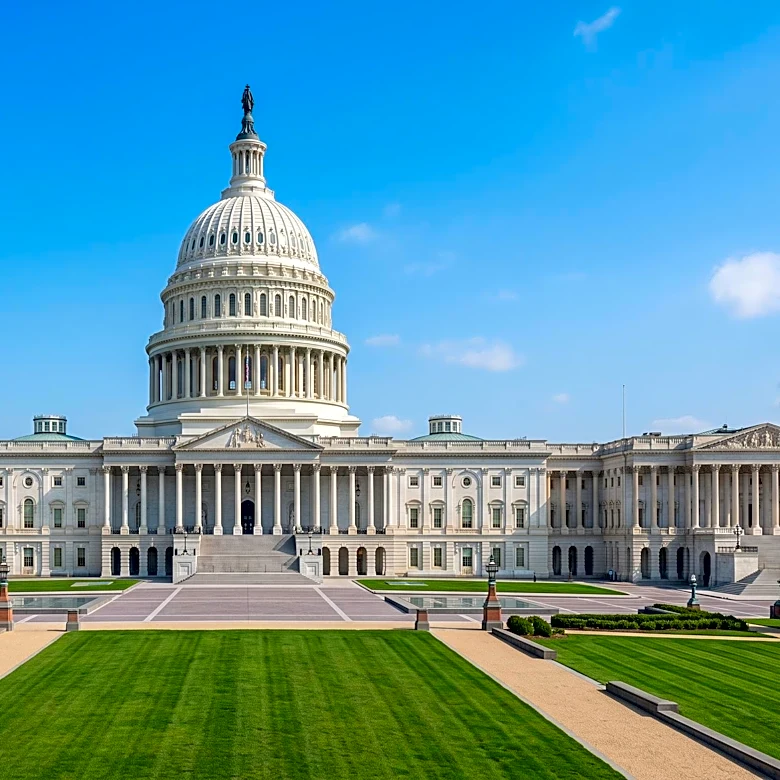
Virginia's General Assembly has reconvened its Joint Subcommittee on Tax Policy to study existing tax exemptions for data centers and implement a new consumption tax on their energy usage. This initiative is a result of a compromise reached during earlier
biennial budget negotiations. The subcommittee's initial meeting was informational, featuring presentations on current data center tax exemptions, environmental regulations, and details of the proposed consumption tax. Data centers meeting specific investment and job creation criteria are currently exempt from state retail sales and use tax on equipment. The new consumption tax will be 1.1 cents per kilowatt-hour, paid monthly, and is projected to generate up to $600 million annually. Any revenue exceeding this cap will be refunded to the data center operators, and the tax is set to expire after two years unless extended.
Why It's Important?
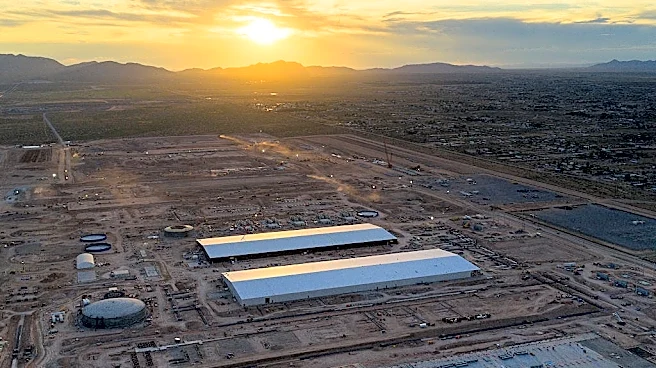
This legislative effort is significant for Virginia, known as the "data center capital of the world," as it seeks to balance economic development with community concerns and fiscal responsibility. The existing tax exemptions have attracted substantial investment but have also raised questions about their impact on local resources, particularly water and energy, and their contribution to state revenue. The proposed consumption tax aims to ensure data centers contribute a "fair share" while potentially mitigating some environmental impacts. The outcome of this study and the implementation of the new tax could set a precedent for how other states manage the rapid growth of the data center industry, influencing tax policies, environmental regulations, and economic development strategies across the U.S. It also highlights the ongoing debate between fostering business growth through incentives and ensuring equitable contributions to public services and infrastructure.
What's Next?
The Joint Subcommittee on Tax Policy is tasked with developing recommendations before the 2027 legislative session begins in January. This will involve further analysis of the economic and environmental impacts of data centers and the effectiveness of the new consumption tax. Stakeholders, including data center operators, local government officials, and community groups, will likely continue to engage with the subcommittee to voice their perspectives. The Data Center Coalition has already emphasized the industry's contributions to jobs and tax revenue. The two-year sunset clause for the consumption tax means that its efficacy and future will be subject to review and potential extension through subsequent legislation. The ongoing discussions will shape Virginia's approach to a critical industry and could influence its competitive position for future data center investments.
Beyond the Headlines
The debate over data center taxation in Virginia touches upon deeper issues concerning the societal costs and benefits of technological advancement. While data centers are crucial infrastructure for the digital economy, their intensive resource consumption, particularly electricity and water, raises questions about sustainability and environmental justice. The push for a consumption tax reflects a growing awareness that economic incentives must be balanced with the long-term well-being of communities and the environment. This situation also highlights the evolving relationship between state governments and large tech industries, where the initial allure of job creation and investment is increasingly being weighed against broader public interests. The outcome in Virginia could influence how other states and localities approach the taxation and regulation of energy-intensive industries, potentially leading to a more holistic framework for economic development that integrates environmental and social considerations.