
What's Happening?
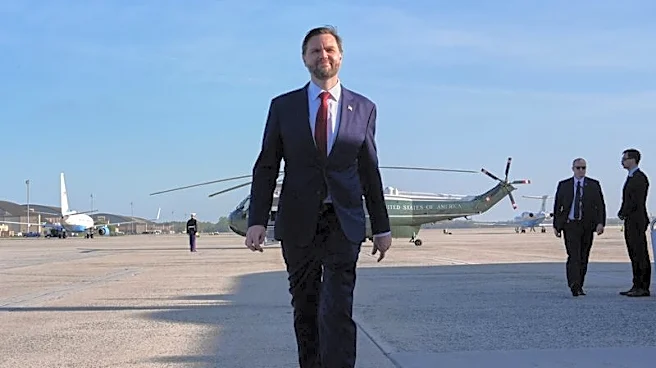
As peace talks between the United States and Iran commenced in Pakistan, President Trump made a statement outside the White House, asserting that the U.S. would 'win no matter what.' This declaration comes
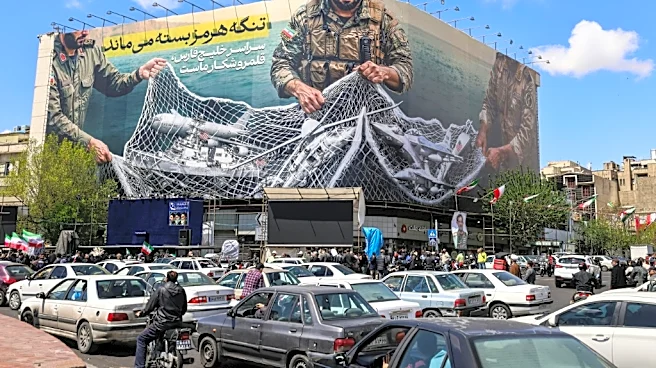
as the administration seeks to potentially end ongoing conflicts, with rising prices in the U.S. adding pressure to the situation. The talks are part of a broader effort to address tensions and conflicts in the Middle East, with the U.S. aiming to negotiate terms that could lead to a reduction in hostilities. The outcome of these talks could have significant implications for international relations and domestic economic conditions.
Why It's Important?
The peace talks between the U.S. and Iran are crucial as they could lead to a de-escalation of tensions in the Middle East, a region that has been a focal point of international conflict for decades. Successful negotiations could stabilize oil prices, which have been volatile due to geopolitical tensions, thereby impacting global and U.S. economies. Additionally, a resolution could shift U.S. foreign policy focus and resources, potentially leading to changes in defense spending and international alliances. The talks also hold political significance for President Trump, as a successful outcome could bolster his administration's foreign policy credentials.
What's Next?
The next steps in the peace talks will likely involve detailed negotiations on specific terms and conditions that both the U.S. and Iran can agree upon. Key stakeholders, including political leaders and international organizations, will be closely monitoring the progress. Potential reactions from allies and adversaries could influence the direction and success of the talks. The U.S. administration may also face domestic scrutiny regarding the concessions and commitments made during these negotiations.