

What's Happening?
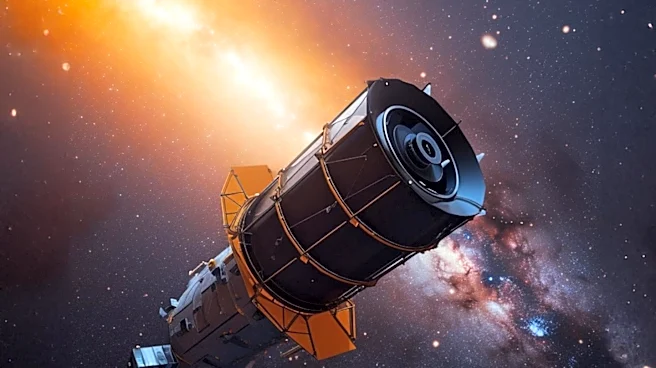
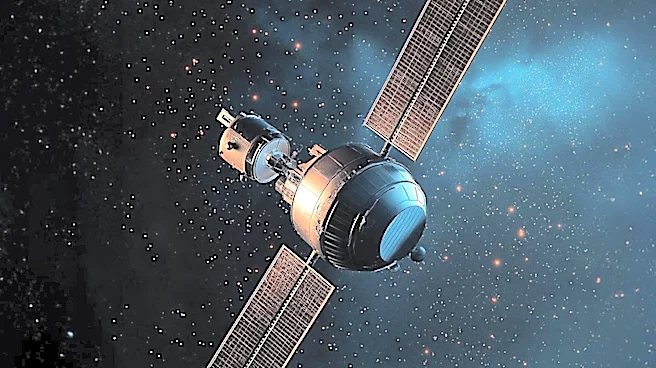
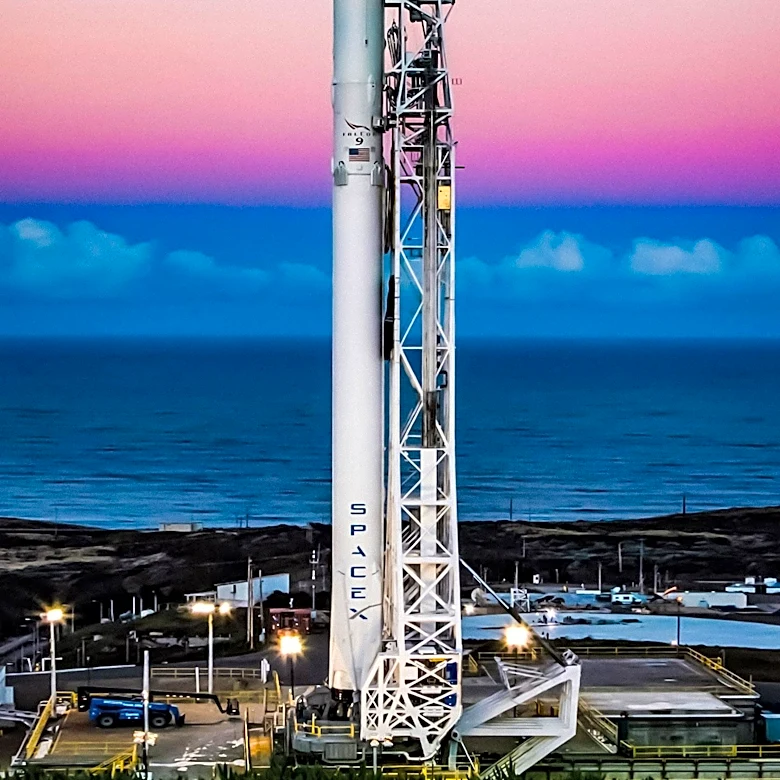
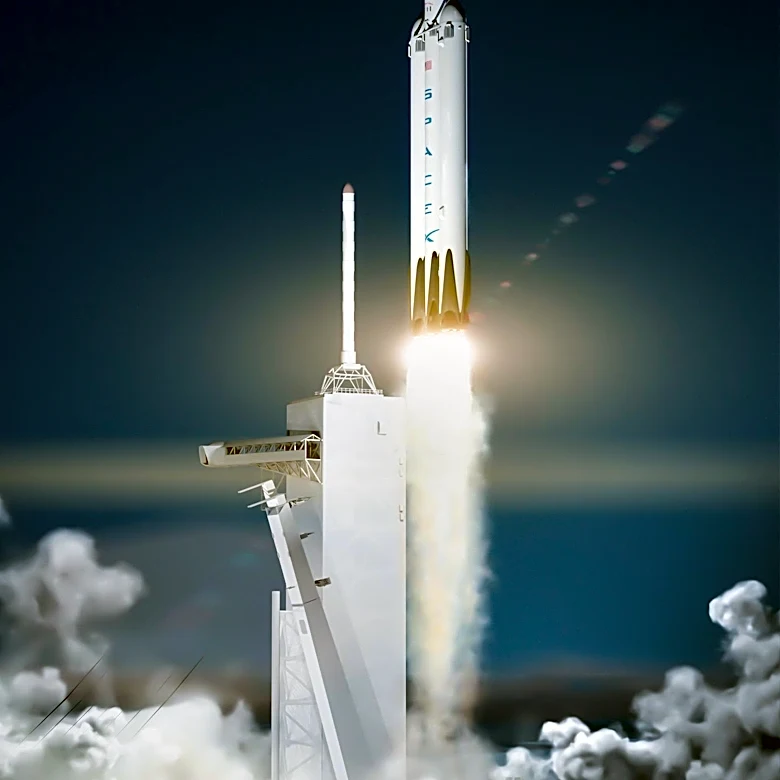
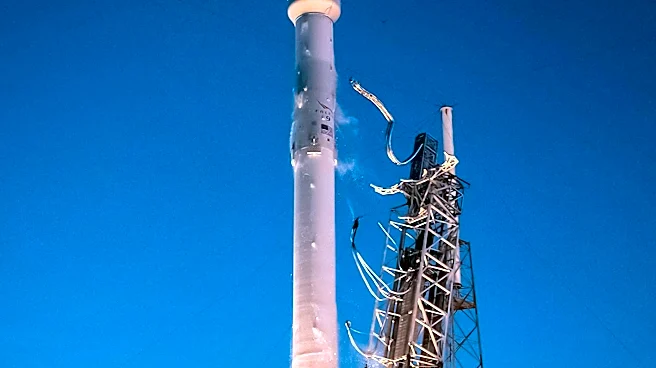
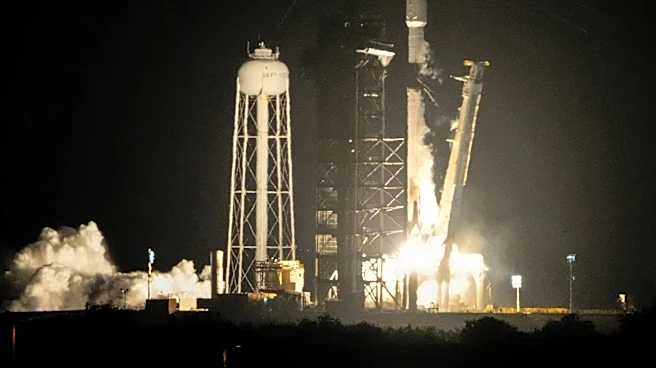
NASA is preparing to launch the Nancy Grace Roman Space Telescope on August 30, 2026, aboard a SpaceX Falcon Heavy rocket from the Kennedy Space Center. This telescope, equipped with a 2.4-meter mirror similar to the Hubble Space Telescope, is designed
to capture a much wider view of the sky. Its primary mission is to map dark energy and search for new planets. The telescope's Wide Field Instrument, a 300-megapixel near-infrared camera, will allow it to survey a patch of sky about a hundred times larger than Hubble can in a single exposure. This capability will enable the Roman Telescope to survey approximately a billion galaxies to better understand the universe's expansion and to detect over a thousand planets through gravitational microlensing.
Why It's Important?
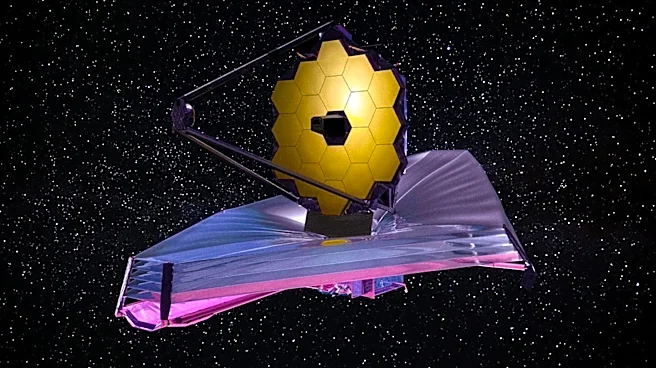
The launch of the Nancy Grace Roman Space Telescope represents a significant advancement in space exploration and astronomy. By mapping dark energy, the telescope aims to provide insights into the mysterious force driving the accelerated expansion of the universe. Additionally, its ability to discover new planets, particularly those that are cold and distant from their stars, could expand our understanding of planetary systems and potentially identify Earth-like worlds. This mission complements the work of the James Webb Space Telescope, offering a broader view of the universe and enhancing our ability to study cosmic phenomena.
What's Next?
Following its launch, the Roman Telescope will travel to the second Lagrange point, approximately 1.5 million kilometers from Earth, where it will undergo several months of commissioning before beginning its scientific operations. The telescope's initial surveys will focus on wide sweeps of the sky, aiming to gather data that could reshape our understanding of dark energy and the distribution of planets in the galaxy. The success of this mission could pave the way for future space telescopes designed to directly image planets and further explore the universe's mysteries.