



What's Happening?
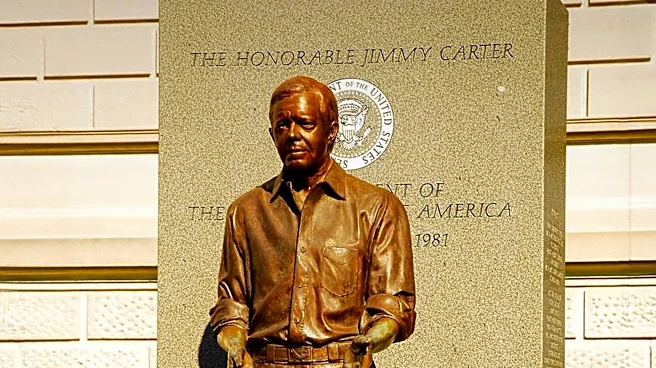
The importance of peacemakers is being emphasized, with a focus on the historical efforts of former U.S. President Jimmy Carter. Carter's role in brokering the Camp David Accords between Israel and Egypt in September 1978 is cited as a prime example of dedicated
peacemaking. During the 13-day negotiation, Carter acted as an intermediary between Egyptian President Anwar Sadat and Israeli Prime Minister Menachem Begin, who initially refused to be in the same room. He engaged in separate meetings, discussed over 23 drafts, and used emotional appeals, including reminding Sadat of their friendship and Begin of his grandchildren, to secure the historic agreement. This historical context is presented alongside other figures like Mahatma Gandhi and recent events such as the World Day of Prayer for Peace Meeting in Assisi, Italy, which marked its 40th anniversary in October 2026. The meeting included testimonies from atomic bomb survivors and messages from religious leaders, underscoring the ongoing need for peace.
Why It's Important?
The historical account of President Carter's peacemaking efforts at Camp David underscores the critical role of diplomatic intervention in resolving international conflicts. His success in bridging deep-seated animosity between Israel and Egypt had a profound and lasting impact on Middle Eastern geopolitics, demonstrating that even seemingly intractable conflicts can be resolved through persistent negotiation and personal commitment. This example serves as a blueprint for current and future U.S. foreign policy, highlighting the potential for American leadership to foster stability and prevent further bloodshed. The broader call for peacemakers, reinforced by the World Day of Prayer for Peace, emphasizes the ongoing global need for individuals and nations to actively pursue peaceful resolutions, which directly impacts U.S. interests in global stability and security. The narrative suggests that such efforts can avert humanitarian crises and reduce the economic and social costs associated with prolonged conflicts.
What's Next?
The ongoing emphasis on peacemaking, as highlighted by events like the World Day of Prayer for Peace, suggests a continued global push for diplomatic solutions to conflicts. For the U.S., this could translate into renewed diplomatic initiatives in regions experiencing tension, potentially drawing lessons from President Carter's approach. International bodies and civil society groups are likely to continue advocating for peace, influencing public opinion and pressuring political leaders to prioritize negotiation over confrontation. The narrative implies that future U.S. administrations may find it beneficial to adopt similar dedicated, intermediary roles in international disputes, aiming to replicate the success seen at Camp David. This focus on peace also suggests a potential for increased international cooperation on humanitarian aid and conflict prevention, with the U.S. likely playing a significant role in these efforts.
Beyond the Headlines
The narrative extends beyond immediate political outcomes to explore the deeper ethical and moral dimensions of peacemaking. The personal sacrifices and persistent efforts of figures like President Carter and Mahatma Gandhi highlight the profound human commitment required to achieve peace. The testimony of Katsuko Tanaka, a Hiroshima survivor, and the symbolic Marian statue from Nagasaki, underscore the devastating human cost of war and the urgent moral imperative for disarmament, particularly concerning nuclear weapons. Pope Leo's message, stating that 'war can never be waged in the name of God,' challenges the justification of conflict on religious grounds, promoting a universal ethical standard for peace. This broader perspective suggests a cultural shift towards valuing peace as a fundamental human endeavor, influencing not only foreign policy but also societal values and educational initiatives aimed at fostering a culture of non-violence and reconciliation.