




What's Happening?
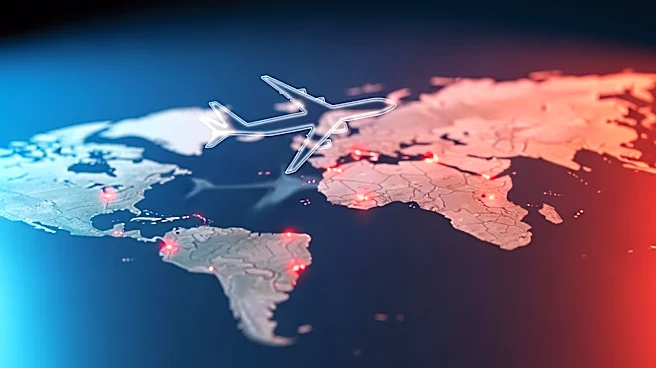
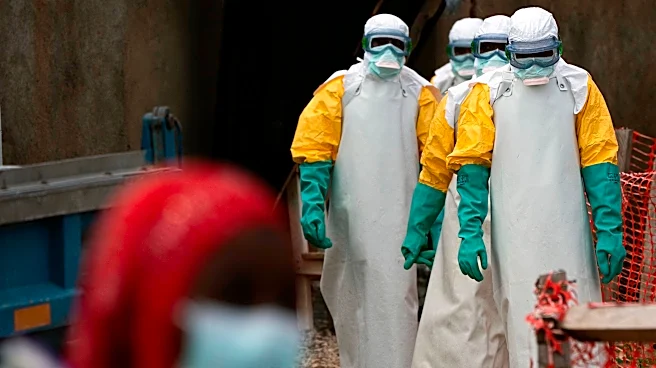
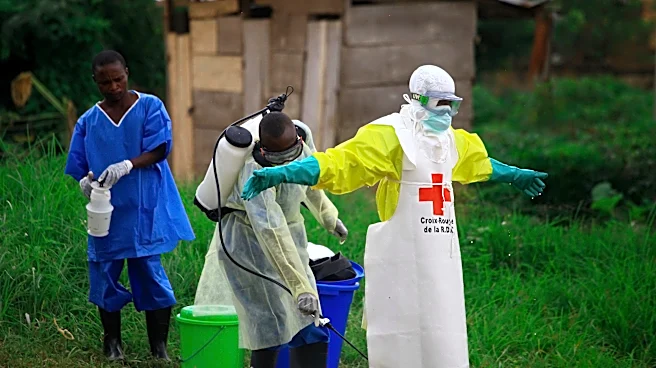
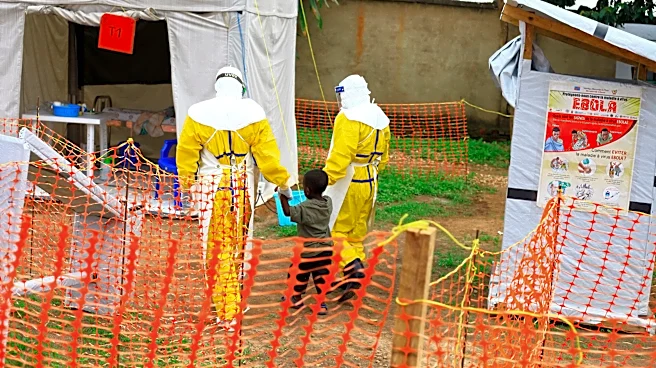
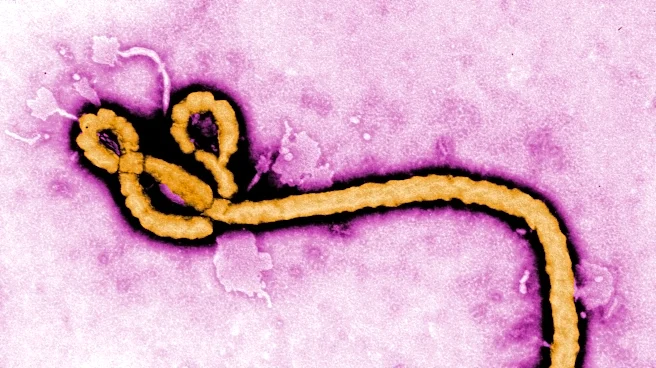
The World Health Organization (WHO) has declared the Ebola outbreak in Congo and Uganda a public health emergency of international concern. The outbreak, caused by the rare Bundibugyo virus, has resulted in 336 suspected cases and 88 deaths, primarily
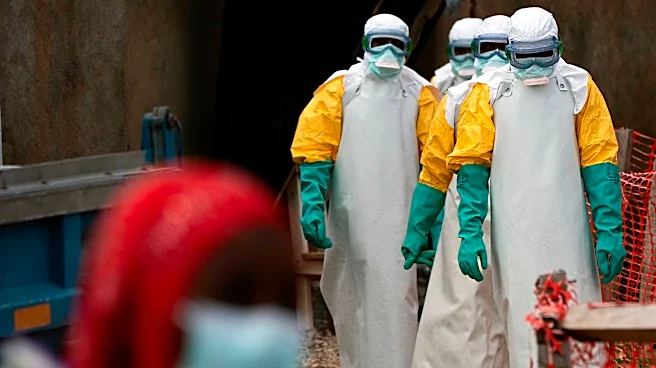
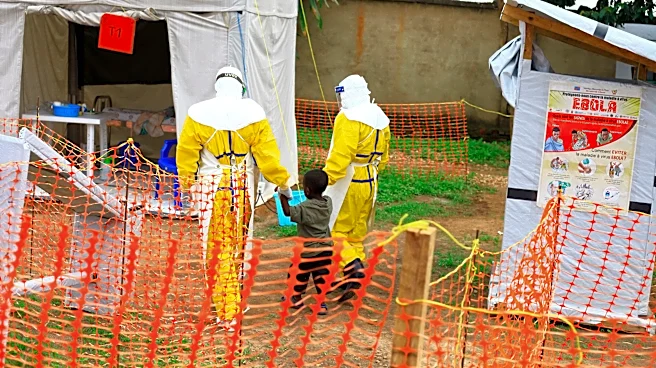
in Congo's Ituri province. The Africa Centres for Disease Control and Prevention (Africa CDC) has reported that the outbreak has spread across three health zones due to patient movement. The Bundibugyo virus, unlike the more common Ebola Zaire strain, has no approved therapeutics or vaccines, complicating response efforts. The WHO and Africa CDC have mobilized funds and resources, but these are insufficient to meet the urgent needs. The U.S. had previously supported Ebola responses in Africa, but recent funding cuts have raised concerns about the adequacy of the current response.
Why It's Important?
The Ebola outbreak poses a significant health threat in the affected regions, with potential for further spread due to population movement and regional instability. The lack of sufficient funding and resources hampers effective containment efforts. The U.S. funding cuts, part of broader reductions in foreign aid, could undermine international response capabilities. This situation highlights the critical role of international cooperation and funding in managing global health emergencies. The outbreak's progression could have severe implications for public health in Africa and potentially beyond, given the virus's high transmissibility and fatality rates.
What's Next?
Efforts to contain the outbreak will continue, with a focus on cross-border coordination, surveillance, and resource mobilization. The Africa CDC and WHO are working with regional health authorities to enhance response measures. However, the success of these efforts will depend on securing additional funding and resources. The international community may need to reassess its funding commitments to ensure an effective response. The situation also calls for increased research into therapeutics and vaccines for the Bundibugyo virus to better prepare for future outbreaks.
Beyond the Headlines
The outbreak underscores the vulnerability of regions with limited healthcare infrastructure to infectious diseases. It also raises ethical questions about the global distribution of health resources and the responsibility of wealthier nations to support international health crises. The situation may prompt a reevaluation of global health priorities and funding strategies, particularly in light of recent funding cuts. Long-term, the outbreak could influence policy discussions on global health security and the need for sustainable funding mechanisms.