






What's Happening?
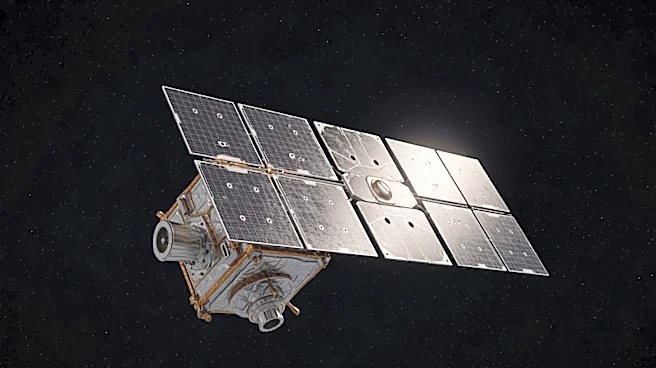
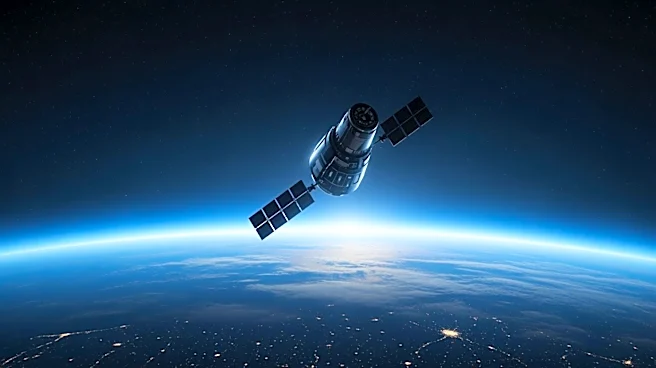
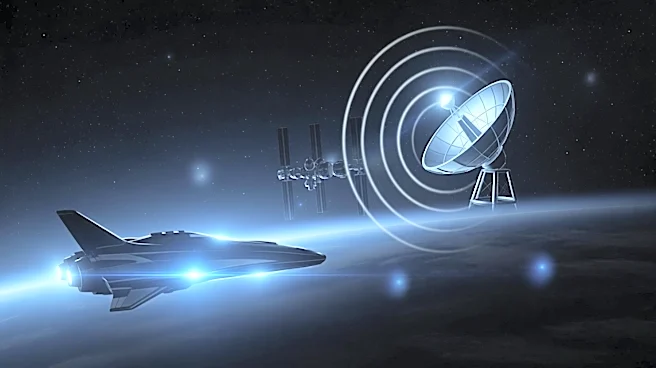
NASA is preparing to launch a robotic servicing spacecraft, LINK, to rescue the Neil Gehrels Swift Observatory, which is rapidly losing altitude and risks reentering Earth's atmosphere this summer. The mission, set to launch aboard a Northrop Grumman
Pegasus rocket, aims to capture and boost the observatory's orbit. Swift, launched in 2004, is a space observatory designed to study gamma-ray bursts and their afterglow in various light spectrums. The spacecraft, built by Katalyst Space, will use a custom-built robotic capture mechanism to attach to Swift, as the observatory lacks docking ports or grappling fixtures. The mission is critical to extend the operational life of Swift, which has been a valuable asset in space research.
Why It's Important?
The rescue mission is significant as it highlights NASA's commitment to maintaining and extending the life of its space assets. The Swift Observatory has been instrumental in advancing our understanding of gamma-ray bursts, which are among the most energetic events in the universe. By preventing its premature reentry, NASA ensures continued scientific research and data collection. This mission also underscores the growing role of private companies like Katalyst Space in space exploration, showcasing the potential for public-private partnerships in maintaining space infrastructure. The success of this mission could set a precedent for future satellite servicing operations, potentially reducing costs and extending the lifespan of other space observatories.
What's Next?
Following the successful launch and operation of the LINK spacecraft, NASA will monitor the Swift Observatory's boosted orbit to ensure its stability. The mission's success could lead to more frequent use of robotic servicing missions for other aging satellites and observatories. Additionally, the collaboration with Katalyst Space may pave the way for further partnerships with private companies, enhancing the capabilities and reach of NASA's space missions. The outcome of this mission will likely influence future strategies for satellite maintenance and repair, potentially leading to new technologies and methods for in-orbit servicing.