
What's Happening?
President Trump has intensified his campaign to acquire Greenland, a territory of Denmark, by threatening tariffs on NATO allies who oppose the move. In a message to Norway's Prime Minister Jonas Gahr
Støre, Trump linked his actions to a perceived snub from the Nobel Peace Prize committee. He argues that U.S. control of Greenland is necessary to prevent it from falling into the hands of China or Russia. Despite Greenland being under NATO protection as a Danish territory, Trump insists that only U.S. ownership can ensure its security. This stance has been rejected by NATO allies and U.S. lawmakers, who emphasize Greenland's existing security arrangements. The situation has prompted responses from European leaders, including British Prime Minister Keir Starmer, who stressed the importance of respecting Greenland's sovereignty.
Why It's Important?
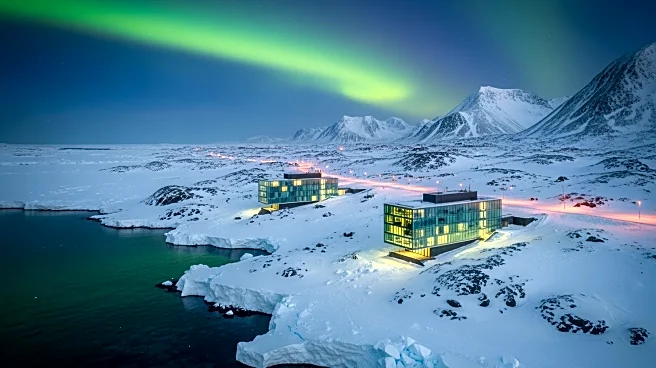
This development could strain U.S. relations with key NATO allies, potentially impacting transatlantic cooperation on security and economic issues. The use of tariffs as leverage in territorial disputes may set a concerning precedent for international diplomacy. The situation also highlights the strategic importance of the Arctic region, with its emerging shipping lanes and resources, and the geopolitical tensions surrounding it. The controversy may affect U.S. influence in the region and its ability to collaborate with allies on Arctic security.
What's Next?
The standoff may lead to further diplomatic discussions among NATO members to address the security and sovereignty issues raised by Trump's demands. Allies may seek to reinforce their commitment to Arctic security while maintaining Greenland's status as part of Denmark. The potential for economic repercussions, such as a trade war, could prompt negotiations to de-escalate tensions. The situation may also influence future U.S. foreign policy decisions regarding territorial acquisitions and international alliances.