








What's Happening?
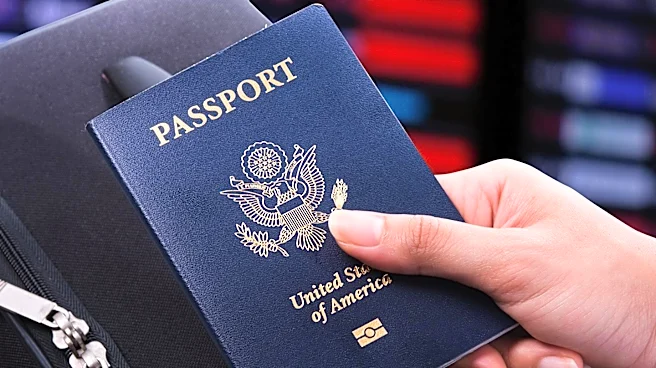
A U.S. visa, while an official travel document stamped in a passport, does not automatically guarantee entry into the United States. Its primary function is to allow an individual to travel to a U.S. port of entry and formally request permission to enter
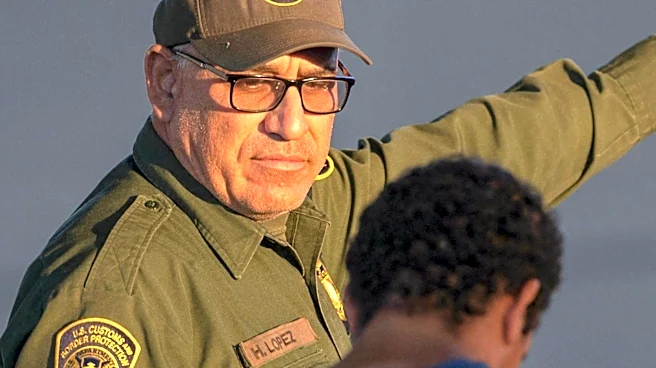
the country for temporary purposes such as tourism, business, or academic study. The ultimate decision regarding admission rests with a Customs and Border Protection (CBP) officer at the port of entry. This means that even with a valid visa, travelers must be prepared to explain the purpose of their trip and provide truthful, consistent information to the CBP officer. Depending on the circumstances, travelers may undergo additional screening as officers verify details. The grant or denial of a U.S. visa itself is solely at the discretion of the U.S. Department of State and its consular officers, but this is distinct from the final entry decision made by CBP.
Why It's Important?
This distinction between holding a visa and being granted entry is critically important for all international travelers to the U.S. Misunderstanding this can lead to significant travel disruptions, financial losses, and emotional distress for individuals who believe their visa is an absolute guarantee. For U.S. businesses, this policy impacts the ease with which international partners, clients, and employees can enter the country for meetings, conferences, or project work, potentially affecting international collaborations and economic activities. For academic institutions, it means that international students, even with F-1 visas, must be fully prepared for scrutiny at the border. The rigorous screening process at ports of entry is a key component of U.S. national security and immigration enforcement, aiming to prevent unauthorized entry and ensure compliance with immigration laws. This policy underscores the sovereign right of the U.S. to control its borders and determine who enters the country.
What's Next?
Travelers planning to enter the U.S. with a visa should prepare thoroughly for their arrival at a port of entry. This includes having all necessary documentation readily accessible, being able to articulate the purpose and duration of their visit clearly, and ensuring all information provided is consistent with their visa application. It is advisable to carry supporting documents, such as invitation letters, hotel bookings, return tickets, and proof of funds, to facilitate the CBP officer's assessment. While additional screening does not necessarily imply wrongdoing, travelers should remain cooperative and truthful. The U.S. Department of State and CBP will continue to operate under these established protocols, emphasizing that a visa is a prerequisite for travel to a port of entry, but not a guarantee of admission. Prospective visitors should educate themselves on these procedures to ensure a smoother entry process.
Beyond the Headlines
The policy that a visa does not guarantee entry highlights a fundamental aspect of international law and national sovereignty: the right of a nation to control its borders. This principle is often overlooked by travelers who view a visa as an unconditional pass. Ethically, it places a significant burden on travelers to prove their intent and eligibility at every stage of the process, from visa application to border crossing. Legally, it grants broad discretionary power to CBP officers, whose decisions are often final and can be difficult to appeal. This system is designed to act as a multi-layered security measure, but it can also lead to perceptions of arbitrariness or unfairness among some international visitors. The ongoing balance between facilitating legitimate travel and maintaining national security remains a complex challenge for U.S. authorities, with each CBP encounter serving as a critical point in this delicate equilibrium.